

You publish 15 breaking news articles today. Your traffic spikes beautifully. Tomorrow? Back to baseline as if nothing happened.
Meanwhile, your competitor publishes 5 articles per week—a mix of timely news and strategic evergreen content—and their traffic grows consistently month over month, building a sustainable audience that doesn’t disappear when the news cycle shifts.
What’s the difference? They’ve mastered news content strategy.
Here’s the reality most publishers face: chasing every trending topic creates an exhausting hamster wheel of content production that delivers temporary spikes but zero compounding growth. But focusing only on evergreen content means missing the massive traffic opportunities that breaking news and trending topics provide.
The solution isn’t choosing one over the other—it’s strategically balancing both. Publishers who crack this code build sustainable traffic that grows over time while still capturing trending topic spikes. They develop traffic sustainability publishers dream about, where yesterday’s content still drives visits today.
In this guide, I’ll show you exactly how to build a content strategy for news websites to maximize organic traffic through intelligent topic selection, strategic planning, and data-driven optimization. No guesswork, no outdated playbooks—just proven frameworks that work in 2025’s competitive news landscape.
Let’s build your sustainable news content strategy.
Table of Contents
ToggleWhat Exactly is a News Content Strategy and Why Does It Matter?
A news content strategy is your comprehensive plan for what content to create, when to publish it, and how to optimize it for sustainable traffic growth. It’s the difference between randomly publishing articles and systematically building a media empire.
Think of it as your editorial GPS. Without it, you’re driving aimlessly, burning fuel (resources) without reaching a destination (traffic and revenue goals). With it, every article serves a strategic purpose in your larger traffic-building system.
But here’s what makes news content strategy uniquely challenging: you’re operating in two time horizons simultaneously. Trending topics deliver immediate traffic but decay rapidly. Evergreen news content builds slowly but compounds over months and years.
Most publishers fail because they optimize for only one time horizon. Breaking news addicts chase trends endlessly, burning out their teams and building no lasting value. Evergreen purists miss massive traffic opportunities and struggle to build initial momentum.
The strategic balance looks like this:
- 30-40% trending/breaking news – Captures immediate traffic, builds topical authority, creates social sharing momentum
- 60-70% strategic evergreen content – Compounds over time, reduces dependence on news cycles, builds sustainable traffic base
This ratio isn’t fixed—it adjusts based on your publication type, audience, and resources. But the principle remains: you need both.
For foundational optimization techniques that support both content types, see News SEO: Optimizing Editorial Content for Google News.
How Do Trending and Evergreen Content Actually Differ for News Publishers?
Before we can balance these content types, we need to clearly define what each actually means in a news publishing context—because the definitions differ from general content marketing.
Understanding Trending News Content
Trending topics in news publishing are time-sensitive subjects currently experiencing elevated search interest and social media discussion. These are your breaking news stories, developing events, and viral topics.
Characteristics of trending news content:
- Lifespan: Hours to weeks (rarely longer than 30 days)
- Traffic pattern: Sharp spike, rapid decline
- Search intent: Informational, immediate
- Competition: Intense, hundreds of publishers covering simultaneously
- SEO value: High immediate traffic, minimal long-term ranking value
- Content freshness: Updates frequently, becomes outdated quickly
Examples of trending news topics:
- “Hurricane Milton Florida landfall” (weather event)
- “Tesla quarterly earnings report Q4 2024” (financial news)
- “Supreme Court ruling on student loans” (legal/political news)
- “iPhone 16 announcement details” (product launch)
Traffic pattern visualization:
| Time Period | Day 1 | Day 3 | Week 1 | Month 1 | Month 3 |
|---|---|---|---|---|---|
| Relative Traffic | 100% | 15% | 5% | 2% | <1% |
Notice the sharp dropoff. Trending content is about capturing the spike, not building lasting value.
Understanding Evergreen News Content
Evergreen content for news publishers isn’t traditional “timeless” content like “how to tie a tie.” It’s news-adjacent content that maintains search demand and relevance over extended periods.
Characteristics of evergreen news content:
- Lifespan: Months to years (with periodic updates)
- Traffic pattern: Slow build, sustained plateau, gradual growth
- Search intent: Informational, educational, reference
- Competition: Moderate, fewer publishers investing in comprehensive coverage
- SEO value: Compounds over time, builds domain authority
- Content freshness: Updated periodically, remains relevant with minimal changes
Examples of evergreen news content:
- “How unemployment benefits work in California” (process/guide)
- “Complete guide to federal tax brackets 2025” (reference)
- “Understanding the Electoral College: How it works” (explainer)
- “What is inflation and how is it measured?” (concept explanation)
Traffic pattern visualization:
| Time Period | Month 1 | Month 3 | Month 6 | Month 12 | Month 24 |
|---|---|---|---|---|---|
| Relative Traffic | 10% | 35% | 65% | 100% | 150% |
See the difference? Evergreen content builds momentum over time, creating compounding traffic growth.
The Hybrid: News-Pegged Evergreen Content
Here’s where strategy gets interesting: the most powerful content type combines elements of both trending and evergreen.
News-pegged evergreen content uses trending topics as publishing triggers but provides evergreen value that outlasts the news cycle.
Examples:
Trending trigger: “Major tech layoffs announced”
Evergreen angle: “What to do if you’re laid off: Complete guide to unemployment, severance, and job search”
Trending trigger: “New student loan forgiveness program”
Evergreen angle: “Complete guide to student loan forgiveness programs and eligibility”
Trending trigger: “Hurricane damages Florida coast”
Evergreen angle: “How to prepare for hurricanes: Complete preparedness checklist”
This hybrid approach captures trending traffic spikes while building long-term value. Smart publishers time evergreen content publication to coincide with related trending topics.
Pro Tip: Maintain a “evergreen reserve” of completed articles ready to publish when related trending topics emerge. When Hurricane Milton hits, immediately publish your comprehensive hurricane preparedness guide. You’ll capture trending traffic while building lasting reference content.
How Do You Conduct Strategic News Keyword Research?
Effective news keyword research differs fundamentally from traditional SEO keyword research. You’re not just looking for search volume—you’re evaluating timing, competition, and strategic fit.
The News Keyword Research Framework
Step 1: Identify Your Core Beats
Don’t try to cover everything. Specialize in 3-7 core topic areas where you can build genuine authority. These become your content pillars.
Selection criteria:
- Alignment with your audience’s interests
- Sustainable search volume in the topic area
- Your team’s expertise and access to sources
- Competitive landscape (can you realistically compete?)
- Monetization potential (ads, subscriptions, affiliates)
Example core beats for a regional news site:
- Local government and politics
- Real estate and housing market
- Education and schools
- Crime and public safety
- Local business and economy
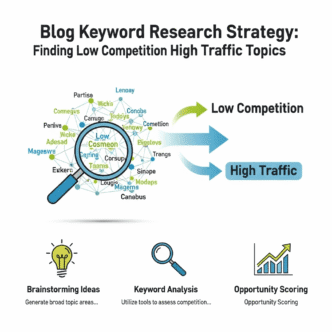
Step 2: Map Trending vs. Evergreen Opportunities
Within each core beat, identify both trending and evergreen keyword opportunities using this framework:
Trending keyword indicators:
- Sharp spikes in Google Trends
- Sudden increase in search volume (Google Keyword Planner)
- High social media discussion volume
- News aggregator feature (Google News, Apple News)
- “Breaking news” or “latest” modifiers in search queries
Evergreen keyword indicators:
- Consistent search volume over 12+ months
- Seasonal patterns (predictable, recurring interest)
- “How to,” “what is,” “guide to” query modifiers
- High cost-per-click (indicates commercial value)
- Featured snippet opportunities in search results
Tools for news keyword research:
| Tool | Best For | Key Features | Price |
|---|---|---|---|
| Google Trends | Trending topic identification | Real-time trend data, geographic insights | Free |
| Google News | Current news coverage gaps | What competitors are covering | Free |
| Semrush Topic Research | Content ideas and questions | Related topics, common questions | $129.95+/mo |
| Ahrefs Keywords Explorer | Search volume and competition | Keyword difficulty, traffic potential | $99+/mo |
| AnswerThePublic | Question-based queries | User questions and prepositions | Free tier |
| BuzzSumo | Social engagement data | Most shared content, trending topics | $199+/mo |
Step 3: Evaluate Strategic Priority
Not all keywords deserve coverage. Evaluate each opportunity using this scoring system:
Trending topic scoring:
- Search volume spike: +3 points (10x+ increase), +2 points (5-10x), +1 point (2-5x)
- Topic relevance: +3 points (core beat), +1 point (adjacent)
- Competition level: +3 points (low), +1 point (medium), -1 point (high)
- Resource requirements: +2 points (minimal), 0 points (moderate), -2 points (extensive)
- Traffic potential: +3 points (high), +2 points (medium), +1 point (low)
Evergreen topic scoring:
- Consistent search volume: +3 points (1000+/mo), +2 points (500-1000/mo), +1 point (100-500/mo)
- Competition level: +3 points (achievable KD <30), +1 point (moderate KD 30-50), -1 point (difficult KD 50+)
- Monetization potential: +2 points (high commercial intent), +1 point (moderate), 0 points (low)
- Content longevity: +3 points (years), +2 points (months), +1 point (weeks)
- Update requirements: +2 points (minimal), 0 points (moderate), -1 point (frequent)
Prioritize topics scoring 8+ points. Build your editorial calendar around these opportunities.
Mining Google’s “People Also Ask” for Evergreen Ideas
The “People Also Ask” (PAA) feature in Google search results is a goldmine for editorial content planning because it shows you exactly what questions real people are asking.
How to mine PAA effectively:
- Search your core beat keywords
- Expand all PAA questions (they regenerate with each expansion)
- Document questions with consistent appearance across related searches
- Group questions by theme or sub-topic
- Create comprehensive articles answering multiple related questions
Example PAA mining for “unemployment benefits”:
- How long do unemployment benefits last?
- What disqualifies you from unemployment benefits?
- How much are unemployment benefits?
- Can you work part-time and collect unemployment?
- How do you apply for unemployment benefits?
Strategic play: Create a comprehensive guide answering all related PAA questions in one authoritative article. Google increasingly rewards thorough content that satisfies multiple related queries.
How Do You Build an Editorial Calendar That Balances Both Content Types?
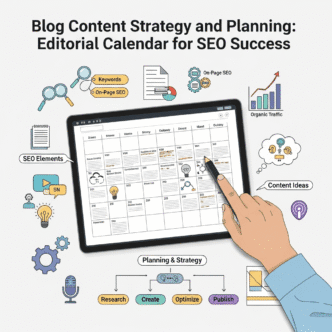
An editorial content planning calendar is where strategy meets execution. Here’s how to structure yours for optimal balance.
The Monthly Planning Framework
Week 1: Trending Focus (40% of weekly content)
- Monday-Wednesday: Cover breaking news and developing stories from the week
- Thursday-Friday: Trend analysis and weekend preview content
Week 2: Evergreen Build (70% of weekly content)
- Focus on comprehensive guides and reference content
- Publish news-pegged evergreen content related to recent trends
- Update and refresh older evergreen content
Week 3: Hybrid Approach (50/50 split)
- Balance immediate news coverage with strategic evergreen pieces
- Publish seasonal content ahead of upcoming events/dates
- Create content clusters around core topic themes
Week 4: Strategic Optimization (30% new, 70% updates)
- Lighter publishing schedule for new content
- Heavy focus on updating and optimizing existing articles
- Analyze performance data and adjust strategy
Pro Tip: Build your calendar around predictable events. Elections, product launches, quarterly earnings, seasonal events—these are opportunities to prepare evergreen content in advance, then publish strategically when the topic becomes trending.
Template for Weekly Content Planning
Here’s a practical weekly planning structure for a news site publishing 10-15 articles per week:
Monday:
- 2 breaking news articles (weekend developments)
- 1 evergreen “how-to” guide related to current events
Tuesday:
- 2 trending topic articles (current news cycle)
- 1 data-driven analysis piece (evergreen value with timely hook)
Wednesday:
- 1-2 breaking news updates
- 1 comprehensive reference guide (pure evergreen)
Thursday:
- 2 analysis/opinion pieces (trending topics with perspective)
- 1 news-pegged evergreen guide
Friday:
- 1 weekly roundup/summary (trending)
- 1 weekend preview (trending)
- 1 updated evergreen article refresh
This structure ensures consistent coverage of immediate news while systematically building evergreen assets.
Using Content Clusters for Strategic Topic Coverage
Content clusters are groups of related articles that comprehensively cover a topic area, creating topical authority and internal linking power.
Cluster structure:
Pillar Content (Evergreen): Comprehensive guide covering topic broadly
- “Complete Guide to Medicare: Everything You Need to Know”
Supporting Articles (Mix of Trending and Evergreen):
- “Medicare Open Enrollment 2025: Key Dates and Deadlines” (seasonal evergreen)
- “Medicare Advantage vs. Original Medicare: Which Is Better?” (pure evergreen)
- “New Medicare Drug Price Negotiation Rules Explained” (trending with evergreen value)
- “How to Choose a Medicare Supplement Plan” (evergreen)
- “Medicare Coverage Changes for 2025: What’s New” (trending)
Benefits of cluster strategy:
- Builds topical authority for core beats
- Creates natural internal linking structure
- Captures both trending and evergreen traffic
- Improves overall SEO performance
- Provides multiple entry points for readers
For more on comprehensive news coverage strategies, explore News SEO: Optimizing Editorial Content for Google News.
What Are the Best Practices for Creating Evergreen News Content?
Let’s get tactical on creating evergreen news content that actually generates sustained traffic rather than gathering digital dust.
The Evergreen Content Creation Process
1. Choose Topics with Lasting Search Demand
Use Google Trends to verify consistent search interest. You want topics showing steady demand over time, not declining interest.
Good evergreen topic signals:
- Flat or gradually increasing trend line over 5+ years
- Predictable seasonal patterns (tax season, back-to-school, etc.)
- Fundamental processes or concepts that don’t change frequently
- “How-to” and educational query intent
Poor evergreen topic signals:
- Declining trend line over time
- Highly specific to current events with no broader application
- Dependent on temporary policies or regulations
- Technology-specific content for rapidly evolving tech
2. Structure for Comprehensive Coverage
Evergreen content needs to be the definitive resource on its topic. Superficial coverage doesn’t rank long-term.
Comprehensive coverage elements:
- Clear introduction explaining what, why, and who it’s for
- Table of contents for easy navigation
- Step-by-step processes with numbered instructions
- Visual aids (screenshots, diagrams, infographics)
- FAQ section addressing common questions
- Related resources section with internal links
- Regular update schedule noted prominently
3. Write for Skim-ability and Depth
Evergreen content needs to serve two reader types: scanners looking for quick answers and deep-divers wanting comprehensive information.
Structure that serves both:
- Short paragraphs (2-3 sentences maximum)
- Descriptive subheadings every 150-200 words
- Bullet points and numbered lists for scannable information
- Expandable sections for optional deep-dives
- Quick answer boxes at the top for immediate needs
- Detailed explanations in body for thorough understanding
4. Optimize for Featured Snippets
Featured snippets provide sustained visibility and traffic for evergreen content. Structure your content to win them.
Featured snippet optimization tactics:
- Answer key questions in 40-60 word paragraphs immediately after question subheadings
- Use definition format for “what is” queries
- Create ordered lists for “how to” and step-by-step processes
- Build comparison tables for “vs” queries
- Include specific numbers and data points
- Use clear, direct language without preambles
Example snippet-optimized section:
Question: How long do unemployment benefits last?
Answer (snippet-optimized): Unemployment benefits typically last 12 to 26 weeks, depending on your state. Most states provide 26 weeks of benefits, though some states offer shorter durations. During economic recessions, extended federal benefits may become available, potentially providing additional weeks of coverage.
This format directly answers the query in a concise, snippet-friendly paragraph.
Updating Evergreen Content for Sustained Rankings
Evergreen doesn’t mean “set and forget.” Regular updates are crucial for maintaining rankings and traffic.
Update triggers:
- Quarterly review cycle for high-traffic evergreen content
- Data refreshes when new statistics or research becomes available
- Policy changes affecting the topic (laws, regulations, procedures)
- Seasonal relevance (update tax guides before tax season)
- Search intent shifts revealed by Search Console query data
- Ranking declines (if traffic drops 20%+, update immediately)
What to update:
- Publication and modification dates
- Statistics and data points
- Examples and case studies
- Screenshots and visual elements
- Links to external sources
- Prices, rates, or other numerical information
Pro Tip: Add an “Last Updated” timestamp at the top of evergreen articles. This signals freshness to both readers and search engines. Include a brief editor’s note explaining what was updated: “Updated January 2025 with new tax bracket information and contribution limits.”
How Do You Capture Maximum Traffic from Trending Topics?
Trending topics optimization requires speed and strategic positioning. Here’s how to maximize traffic from breaking news and trending subjects.
The Rapid Trend Capture Strategy
1. Set Up Trend Monitoring Systems
You can’t capitalize on trends you don’t know about. Implement systematic monitoring.
Essential monitoring tools:
- Google Trends – Set up daily email alerts for your core beats
- Google News – Monitor for emerging stories in your topics
- Twitter/X Lists – Follow key journalists, officials, and sources
- Reddit – Subscribe to relevant subreddits for early trend signals
- TrendSpotter tools – Exploding Topics, BuzzSumo, etc.
- Google Alerts – Custom alerts for key terms and sources
2. Evaluate Trending Opportunity Quickly
Not every trending topic deserves coverage. Use this rapid evaluation framework:
Cover if YES to 3+ of these:
- ✓ Directly relates to your core beats
- ✓ Search volume spike visible in Google Trends (5x+ increase)
- ✓ You can publish comprehensive coverage within 2 hours
- ✓ You have unique access, expertise, or angle
- ✓ Topic likely to sustain interest for 12+ hours
- ✓ Low/moderate competition from major publishers
- ✓ Clear audience interest (social engagement signals)
Skip if:
- ✗ Outside your core topic areas
- ✗ Dozens of major outlets already covering comprehensively
- ✗ Requires resources or expertise you lack
- ✗ Appears to be a flash-in-the-pan topic (< 2 hour lifespan)
3. Publish Quickly with Strategic Depth
Speed matters for trending topics, but so does quality. The strategy is layered publishing.
Initial publication (15-30 minutes from decision):
- 300-500 words covering core facts
- Clear, search-optimized headline
- High-quality featured image
- Proper schema markup
- Mobile-optimized formatting
First update (60-90 minutes after initial):
- Expand to 600-800 words
- Add context and background
- Include expert quotes if available
- Add related article links
- Optimize for related search queries
Comprehensive version (3-6 hours after initial):
- 1000-1500+ words for major stories
- Multiple perspectives and sources
- Visual elements (charts, images, embedded media)
- FAQ section addressing common questions
- Internal links to related evergreen content
4. Bridge Trending to Evergreen
The smartest publishers use trending topics as distribution channels for evergreen content.
Bridging strategies:
- Add “Related Resources” section linking to evergreen guides
- Embed contextual internal links throughout trending articles
- Create follow-up evergreen content addressing broader questions raised by trends
- Use trending social media discussion to promote related evergreen content
- Update relevant evergreen articles with sections about the trending topic
Example: Breaking news about a data breach at a major company becomes an opportunity to promote your comprehensive “How to Protect Yourself After a Data Breach” evergreen guide.
This approach captures trending traffic spikes while building your evergreen content’s authority and traffic over time.
Timing Strategy for Maximum Trend Capture
Publishing at the right time dramatically impacts trending topic traffic.
Trend lifecycle timing:
Early Phase (First 2 hours):
- Massive opportunity but highest competition
- Major publishers dominate with fastest publishing
- Best for publishers with strong authority and rapid publishing capabilities
Growth Phase (2-8 hours):
- Sweet spot for mid-sized publishers
- Competition from major outlets stabilizing
- Search intent clarifying (people know what they’re looking for)
- Opportunity to provide more comprehensive coverage than initial reports
Peak Phase (8-24 hours):
- Maximum search volume
- High competition but also high traffic potential
- Opportunity for analysis, context, and unique angles
- Perfect timing for news-pegged evergreen content
Decline Phase (24+ hours):
- Decreasing but still significant traffic
- Competition declining as major outlets move to newer stories
- Opportunity to own long-tail queries and comprehensive resources
Strategic approach by publisher type:
| Publisher Type | Optimal Timing | Strategy Focus |
|---|---|---|
| Major National News | 0-2 hours | Speed, breaking coverage |
| Regional/Niche News | 2-8 hours | Comprehensive depth, local angle |
| Specialty/Analysis | 8-24 hours | Analysis, implications, expertise |
| Small/Individual | 24+ hours | Unique angles, comprehensive guides |
Don’t assume you’ve missed the opportunity if you’re not first. Different timing windows serve different strategic purposes.
How Do You Measure and Optimize Your Content Strategy Balance?
You can’t improve what you don’t measure. Here’s how to track your news content strategy performance and optimize your trending/evergreen balance.
Key Performance Indicators by Content Type
Trending Content Metrics:
- Time-to-rank: How quickly articles reach Top Stories/page 1
- Peak traffic: Maximum daily visitors achieved
- Traffic duration: How many days article maintains significant traffic
- Social shares: Engagement and viral potential
- Average position: Ranking for primary keywords during trend peak
- CTR from search: Click-through rate during trending phase
Evergreen Content Metrics:
- Total traffic over time: Cumulative visitors over 6-12 months
- Traffic growth rate: Month-over-month traffic increases
- Ranking stability: Consistency of search positions
- Featured snippet wins: How many questions trigger featured snippets
- Backlink accumulation: Natural link building over time
- Update ROI: Traffic increase after content updates
Portfolio-Level Metrics:
- Traffic composition: % from trending vs evergreen content
- Traffic sustainability: Baseline traffic floor during slow news periods
- Content efficiency: Traffic per published article (trending vs evergreen)
- Resource allocation: Time invested vs traffic generated
- Revenue per content type: Monetization efficiency (trending vs evergreen)
Using Google Analytics to Track Content Performance
Set up custom content groupings:
Configuration:
- Navigate to Admin → Property → Content Grouping
- Create grouping: “Content Strategy Type”
- Define rules:
- Group 1: “Trending” (URL contains /trending/ or published within 7 days with high traffic spike)
- Group 2: “Evergreen” (URL contains /guides/ or /resources/ or older content with sustained traffic)
- Group 3: “Hybrid” (news-pegged evergreen content)
Key reports to analyze:
Behavior → Site Content → Content Groupings: Compare metrics across trending vs evergreen content:
- Pageviews and unique pageviews
- Average time on page
- Bounce rate
- Pages per session
- Goal completions/conversions
Acquisition → All Traffic → Channels: Filter by content grouping to see:
- Which traffic sources drive visitors to each content type
- How trending vs evergreen perform in organic search
- Social media performance by content type
- Direct traffic patterns (brand loyalty indicator)
Cohort Analysis for Evergreen Growth: Track how evergreen content traffic evolves over time:
- Set up cohorts by publication month
- Track user retention and return visits
- Identify which evergreen articles build sustained audiences
- Compare different evergreen topic performance over time
A/B Testing Content Strategy Approaches
Experiment framework for optimizing your balance:
Test 1: Publishing Frequency by Content Type
Control: Current publishing ratio (e.g., 40% trending, 60% evergreen)
Variant A: Increase trending to 50%, decrease evergreen to 50%
Variant B: Decrease trending to 30%, increase evergreen to 70%
Measure: Total traffic, traffic sustainability, team burnout, revenue per article
Duration: 60-90 days minimum for meaningful data
Test 2: Evergreen Depth vs. Breadth
Control: Current approach (e.g., 10 moderate-depth evergreen articles per month)
Variant A: 5 comprehensive, deeply researched evergreen articles per month
Variant B: 15 shorter, more focused evergreen articles per month
Measure: Traffic per article, ranking success rate, time investment, backlink accumulation
Test 3: Update Frequency Impact
Control: Quarterly updates for top evergreen content
Variant A: Monthly updates for top 20 evergreen articles
Variant B: Bi-annual updates with more substantial revisions
Measure: Traffic retention, ranking improvements, resource requirements
Pro Tip: Run tests on segmented portions of your content library rather than your entire site. Test new approaches on 20-30% of content while maintaining proven strategies on the remainder. This protects your baseline traffic while experimenting with improvements.
What Are Real-World Examples of Successful Content Strategy Balance?
Let’s examine publishers who’ve mastered the trending/evergreen balance and what we can learn from their approaches.
Case Study 1: NerdWallet’s Finance Content Strategy
Publisher Profile: Personal finance site competing in highly commercial keyword space against major financial institutions.
Content Strategy Balance: 20% trending financial news, 80% evergreen guides and tools
Strategic Approach:
Evergreen Foundation:
- Comprehensive comparison guides (credit cards, savings accounts, mortgages)
- “What is” and “How to” content for fundamental finance concepts
- Interactive calculators and tools
- Regular updates tied to market changes (rates, offers, policies)
Trending Coverage:
- Federal Reserve interest rate decisions
- Major bank policy changes
- Tax law updates and deadline news
- Economic reports and their consumer impact
Key Success Factors:
- Built topical authority in specific finance verticals before expanding
- Created genuinely useful tools that generate sustained backlinks
- Timed evergreen updates to coincide with trending financial events
- Maintained YMYL (Your Money Your Life) quality standards with expert review
Results: NerdWallet generates 40+ million monthly organic visits, with 75%+ coming from evergreen content published 6+ months prior. Trending content spikes drive new user acquisition, while evergreen content sustains baseline traffic.
Lesson: Heavy evergreen focus with selective trending coverage works when your evergreen content is genuinely authoritative and useful. Quality over quantity wins in competitive verticals.
Case Study 2: The Verge’s Tech News Balance
Publisher Profile: Technology news and culture site competing against both tech giants and traditional news outlets.
Content Strategy Balance: 50% trending tech news, 50% evergreen reviews and guides
Strategic Approach:
Trending Coverage:
- Product announcements and launches (immediate coverage)
- Industry news and company developments
- Event coverage (CES, WWDC, Google I/O)
- Tech policy and regulation news
Evergreen Assets:
- Comprehensive product reviews (updated periodically)
- “Best of” buying guides (updated monthly/quarterly)
- How-to guides for popular tech platforms
- Explainers for complex tech concepts
Key Success Factors:
- Invested heavily in visual content (photography, videography) that differentiates coverage
- Updated evergreen content aggressively to maintain relevance in fast-moving tech space
- Built personal brand authority through recognizable writers and video personalities
- Created content hubs organizing scattered coverage into comprehensive resources
Results: Successfully balances immediate tech news traffic (40% of total) with sustained evergreen traffic (60% of total). Evergreen “best of” guides generate consistent affiliate revenue while trending news drives brand awareness and social engagement.
Lesson: In fast-moving verticals, evergreen content requires more aggressive updating but still provides sustainable traffic. The 50/50 balance works when you have resources for both rapid news coverage and quality evergreen maintenance.
Case Study 3: Local News Site’s Community-Focused Strategy
Publisher Profile: Regional newspaper serving metro area of 500K population.
Content Strategy Balance: 60% trending local news, 40% evergreen local resources
Strategic Approach:
Trending Local Coverage:
- Breaking local news (crime, accidents, emergencies)
- City council and local government meetings
- School board news and education issues
- Local business openings, closings, developments
- Community events and announcements
Evergreen Local Resources:
- “Moving to [City]” comprehensive guides
- Local school district guides and comparison
- Neighborhood profiles and real estate guides
- Local business directories and resource lists
- Seasonal guides (best restaurants, activities, events)
Key Success Factors:
- Owned hyper-local angles that national outlets ignore
- Built community relationships providing unique access and sources
- Created practical value through useful local information
- Updated evergreen content around seasonal patterns and annual events
- Cross-promoted trending and evergreen content through internal linking
Results: Local news provides 70% of traffic volume but evergreen content provides 30% of traffic with 10% of content. Evergreen content generates sustained traffic during slow news periods and provides entry points for new residents discovering the publication.
Lesson: Local publishers can differentiate through evergreen local resources that national outlets can’t replicate. Even heavy trending focus benefits from strategic evergreen foundation.
What Common Mistakes Kill News Content Strategy Effectiveness?
Let me save you from the pitfalls I see publishers fall into repeatedly when trying to balance trending and evergreen content.
The News Content Strategy Killers
1. Chasing Every Trending Topic Without Strategy
Publishing 20 trending articles daily because “we need traffic” leads to exhaustion, poor quality, and no compounding growth. You’re running on a hamster wheel.
Fix: Define your core beats. Only cover trending topics that align with your strategic focus areas. Say no to traffic that doesn’t serve your long-term goals.
2. Creating “Evergreen” Content That’s Already Outdated
Publishing a “comprehensive guide” from outdated information or that rehashes what’s already ranking is worse than not publishing it at all.
Fix: Research current top-ranking content before creating evergreen pieces. Aim to create genuinely superior resources. If you can’t improve on what exists, choose a different topic.
3. Abandoning Evergreen Content After Publication
The biggest mistake: publishing great evergreen content then never updating it. Rankings decay, traffic disappears, and you’ve wasted the investment.
Fix: Build content maintenance into your workflow. Schedule quarterly reviews of top evergreen content. Assign someone to own evergreen content updates—make it a specific role responsibility.
4. Not Tracking Performance by Content Type
How do you know if your trending/evergreen balance is working if you’re not measuring it separately? You’re flying blind.
Fix: Implement content groupings in Google Analytics. Create separate tracking for trending vs evergreen content. Review metrics monthly to inform strategy adjustments.
5. Wrong Resource Allocation
Investing 80% of editorial resources in trending content that generates 30% of long-term traffic (or vice versa) represents strategic misalignment.
Fix: Analyze traffic per article by content type. Calculate ROI considering both immediate and sustained traffic. Adjust resource allocation to optimize overall traffic growth.
6. Ignoring Search Intent Shifts
Evergreen content created for one search intent becoming misaligned as user needs evolve is a silent killer of traffic.
Fix: Review Search Console query data quarterly. Identify when searchers are asking different questions about your evergreen topics. Update content to match evolved intent.
7. Poor Internal Linking Between Content Types
Failing to connect trending and evergreen content means missing opportunities to turn temporary visitors into long-term readers.
Fix: Every trending article should link to 2-3 relevant evergreen resources. Every evergreen article should reference recent trending coverage. Create bidirectional content connections.
Critical Reality Check: Most publishers fail not from lack of effort, but from lack of strategy. Publishing more content randomly won’t improve results. Strategic publishing of the right content types in the right balance creates sustainable growth.
For comprehensive optimization techniques supporting both content types, revisit News SEO: Optimizing Editorial Content for Google News.
How Do You Build Traffic Sustainability for News Publishers?
Traffic sustainability publishers achieve comes from systematically building evergreen traffic that doesn’t disappear during slow news cycles. Here’s the framework.
The Sustainable Traffic Building System
Foundation Layer: Core Evergreen Content (Months 1-3)
Start by building your evergreen foundation before aggressively chasing trends.
Phase 1 priorities:
- Create 20-30 comprehensive evergreen guides in your core beats
- Optimize for featured snippets and “People Also Ask” queries
- Build internal linking structure connecting related evergreen content
- Establish update schedule and maintenance protocols
- Focus on quality over quantity—better to have 20 excellent guides than 100 mediocre ones
Target: Establish baseline evergreen traffic of 5,000-10,000 monthly visits
Growth Layer: Strategic Trending Coverage (Months 3-6)
With evergreen foundation established, add selective trending coverage that reinforces your topical authority.
Phase 2 priorities:
- Cover 1-2 major trending topics daily in your core beats
- Link trending coverage to relevant evergreen resources
- Create news-pegged evergreen content when trends emerge
- Build reputation for timely, accurate trending coverage
- Monitor which trending topics drive sustained interest
Target: Add 10,000-20,000 monthly visits from trending coverage while sustaining evergreen baseline
Acceleration Layer: Content Clusters and Topic Dominance (Months 6-12)
Systematically dominate specific topic areas through comprehensive coverage and strategic expansion.
Phase 3 priorities:
- Build content clusters around high-value topics (pillar + 8-10 supporting articles)
- Aggressively update and optimize top-performing evergreen content
- Scale trending coverage to 3-5 articles daily while maintaining quality
- Implement advanced SEO tactics (structured data, link building, technical optimization)
- Expand into adjacent topic areas where you can compete
Target: Reach 50,000-100,000+ monthly visits with 60%+ from evergreen content
The Compound Growth Formula
Sustainable traffic growth follows this pattern:
Month 1: 100% effort → 10,000 visitors (10 new evergreen articles)
Month 2: 100% effort → 17,000 visitors (10 new evergreen + 7,000 from Month 1 content)
Month 3: 100% effort → 27,000 visitors (10 new evergreen + 12,000 from previous content + trending coverage)
Month 6: 80% effort → 65,000 visitors (8 new evergreen + 35,000 from existing content + trending spikes)
Month 12: 60% effort → 150,000 visitors (6 new evergreen + 90,000 from existing content + trending + updates)
Notice the pattern? Your effort doesn’t increase proportionally with traffic because evergreen content compounds. This is traffic sustainability in action.
The key variables driving compound growth:
- Content durability – How long evergreen content maintains rankings
- Update effectiveness – Traffic increase from refreshing existing content
- Topic expansion – Natural growth into related subject areas
- Internal linking – Cross-traffic between articles
- Authority accumulation – Google’s growing trust in your coverage
Resource Allocation for Sustainable Growth
Strategic resource distribution:
| Activity | Months 1-3 | Months 4-6 | Months 7-12 | Ongoing |
|---|---|---|---|---|
| New Evergreen Content | 70% | 40% | 30% | 20% |
| Trending Coverage | 10% | 30% | 35% | 40% |
| Content Updates | 10% | 20% | 25% | 30% |
| Optimization & Technical | 10% | 10% | 10% | 10% |
The shift over time is strategic: front-load evergreen creation, then shift resources toward trending coverage and evergreen maintenance as your library grows.
Pro Tip: Calculate your “evergreen efficiency ratio” by dividing total monthly traffic by total published articles. Publishers with strong evergreen strategies see this ratio increase over time—you get more traffic per article as your library compounds. Track this metric monthly.
How Should Different Publisher Types Approach Content Strategy?
Not all publishers should use the same trending/evergreen balance. Your approach should align with your publication type, resources, and audience.
Content Strategy by Publisher Type
National/Major News Organizations
Recommended Balance: 70% trending, 30% evergreen
Why: Brand expectation is breaking news coverage. Audiences come for immediate information. Large teams can sustain high-volume trending coverage.
Strategic approach:
- Dominate breaking news in core coverage areas
- Invest in marquee evergreen projects (investigative features, comprehensive databases)
- Use trending coverage to drive subscriptions
- Leverage authority for quick indexing and ranking
Example: The New York Times publishes 150+ articles daily, mostly trending, but invests heavily in premium evergreen projects like their cooking section, interactive databases, and comprehensive guides.
Regional/Local News Publications
Recommended Balance: 50-60% trending local news, 40-50% evergreen local resources
Why: Must cover local news comprehensively while building sustainable traffic through local expertise and resources.
Strategic approach:
- Own local trending topics through boots-on-the-ground coverage
- Create practical evergreen resources for local residents
- Build neighborhood and community guides
- Develop local business directories and resources
- Focus on topics with local SEO opportunity
Example: Regional newspapers that build comprehensive “moving to [city]” guides, school district comparisons, and neighborhood profiles generate sustained traffic that supplements breaking local news coverage.
Niche/Specialty News Sites
Recommended Balance: 40% trending, 60% evergreen
Why: Smaller teams can’t compete on speed across broad topics. Deep expertise and comprehensive evergreen coverage provide competitive advantage.
Strategic approach:
- Cover trending topics selectively within niche expertise
- Build definitive evergreen resources in specialty areas
- Develop tools, calculators, and interactive resources
- Create comprehensive databases and reference materials
- Focus on building topical authority
Example: TechCrunch balances tech industry news (trending) with comprehensive startup databases, funding trackers, and how-to guides for entrepreneurs (evergreen).
Individual Journalists/Small Teams
Recommended Balance: 30% trending, 70% evergreen
Why: Limited resources make high-volume trending coverage unsustainable. Evergreen content provides better ROI for small teams.
Strategic approach:
- Choose trending topics very selectively (where you have unique access or expertise)
- Invest heavily in comprehensive evergreen guides
- Focus on underserved long-tail keywords
- Build email list through evergreen content value
- Monetize through affiliates, products, or premium content
Example: Independent journalists who build sustainable audiences through deep-dive evergreen guides in their expertise areas while selectively covering major trending stories where they add unique value.
Adjusting Your Balance Based on Data
Your optimal balance isn’t static—it evolves based on performance data and strategic goals.
Indicators to increase evergreen focus:
- Traffic crashes during slow news periods
- High trending article publishing volume with limited traffic ROI
- Team burnout from constant breaking news pressure
- Limited sustainable revenue (everything tied to traffic spikes)
- Strong performance from existing evergreen content
Indicators to increase trending focus:
- Evergreen content not ranking despite optimization
- Audience expects timely news coverage (brand positioning issue)
- Competitors capturing trending traffic you’re missing
- Strong monetization from traffic spikes (ads scale with volume)
- Team has capacity and systems for rapid publishing
Monitor these signals monthly and adjust your editorial calendar accordingly.
What Tools and Technologies Support Effective Content Strategy?
The right tools dramatically improve your ability to plan, execute, and optimize your news content strategy. Here’s the essential stack.
Content Planning and Management Tools
Editorial Calendar Platforms:
| Tool | Best For | Key Features | Price |
|---|---|---|---|
| CoSchedule | Marketing teams | Social integration, analytics, calendar view | $29+/mo |
| Trello | Small teams | Simple, visual, flexible kanban boards | Free-$12.50/mo |
| Airtable | Data-oriented teams | Database functionality, multiple views, automations | Free-$20+/mo |
| Monday.com | Larger organizations | Workflow automation, team collaboration | $8+/user/mo |
Content Management Systems with Strategy Features:
- WordPress with Editorial Calendar plugins (e.g., Edit Flow, PublishPress)
- Ghost for focus on publishing and member management
- Webflow for design-oriented publishers
- Custom CMS for enterprise publishers with specific needs
Pro Tip: Your editorial calendar tool should integrate with your CMS, analytics, and team communication platforms. Manual data transfer between systems wastes time and introduces errors.
Analytics and Performance Tracking
Essential analytics setup:
Google Analytics 4:
- Custom content groupings (trending vs evergreen)
- Event tracking for content engagement
- Cohort analysis for evergreen growth patterns
- Custom reports for content strategy metrics
Google Search Console:
- Performance tracking by content type
- Query analysis for content opportunities
- Index coverage monitoring
- Core Web Vitals for technical SEO
Specialized News Analytics:
- Chartbeat – Real-time engagement and headline testing
- Parse.ly – Content performance analytics for publishers
- SimpleReach (LiveRamp) – Content distribution analytics
- NewsWhip – Social media and trending topic monitoring
Workflow Automation Tools
Zapier/Make/N8N Automations:
Trending topic monitoring automation:
- Google Trends spike detected
- Notification sent to Slack/email
- Templated article created in CMS
- Task assigned to appropriate writer
Content update reminders:
- Article reaches 90 days old
- Check current traffic and rankings
- Create update task if traffic declining
- Schedule on editorial calendar
Performance reporting:
- Weekly content performance summary
- Top/bottom performing articles by content type
- Automatic report sent to team
- Recommendations based on data
AI Tools for Content Strategy
AI applications for news publishers:
Trend identification and monitoring:
- ChatGPT/Claude for analyzing trending topics and suggesting angles
- Perplexity for rapid background research
- AI-powered news aggregators for coverage gap analysis
Content creation assistance:
- AI writing assistants for first drafts (human review required)
- Headline generation and optimization
- SEO optimization recommendations
- Content summarization for updates
Data analysis:
- Automated performance analysis
- Prediction of trending topic duration and traffic potential
- Content gap identification
Critical caveat: AI tools accelerate processes but shouldn’t replace human judgment, verification, or original reporting. Use AI as a research and drafting assistant, not a replacement for journalism.
Your News Content Strategy Implementation Roadmap
Let’s turn everything we’ve covered into a practical action plan you can implement starting today.
Month 1: Foundation and Assessment
Week 1: Audit and Analysis
- [ ] Audit existing content: categorize as trending, evergreen, or hybrid
- [ ] Analyze current traffic composition (% from each content type)
- [ ] Identify top 10 performing articles by content type
- [ ] Review competitor content strategies in your niche
- [ ] Document current resource allocation (time spent per content type)
Week 2: Core Beat Definition
- [ ] Define 3-5 core topic areas for strategic focus
- [ ] Conduct keyword research within each core beat
- [ ] Identify 20-30 evergreen content opportunities
- [ ] Map trending topics worth covering in each beat
- [ ] Create preliminary content clusters around core topics
Week 3: Systems and Processes
- [ ] Implement content groupings in Google Analytics
- [ ] Set up editorial calendar tool/system
- [ ] Create article templates for trending and evergreen content
- [ ] Establish content update schedule and protocols
- [ ] Configure trending topic monitoring tools
Week 4: Team and Workflow
- [ ] Assign roles and responsibilities for content types
- [ ] Train team on strategic content balance approach
- [ ] Establish editorial standards for each content type
- [ ] Create rapid publishing workflow for trending coverage
- [ ] Set up internal communication channels for coordination
Months 2-3: Evergreen Foundation Building
Publishing priorities:
- 3-4 comprehensive evergreen guides per week
- 1-2 trending topic articles per week (selective coverage)
- Weekly updates to existing evergreen content
Focus areas:
- Build topical authority through comprehensive coverage
- Optimize all evergreen content for featured snippets
- Create strong internal linking structure
- Establish baseline evergreen traffic
Metrics to track:
- Evergreen article rankings and traffic growth
- Time-to-rank for new evergreen content
- Featured snippet wins
- Baseline traffic floor
Months 4-6: Strategic Balance Implementation
Publishing priorities:
- 2-3 new evergreen guides per week
- 3-5 trending topic articles per week
- Bi-weekly major updates to top evergreen content
- 1 news-pegged evergreen article per week
Focus areas:
- Scale trending coverage while maintaining evergreen production
- Build content clusters around highest-value topics
- Connect trending and evergreen content through internal linking
- Experiment with different content formats and approaches
Metrics to track:
- Traffic composition shift toward strategic balance
- Trending article CTR and engagement
- Evergreen traffic compound growth
- Revenue per content type
Months 7-12: Optimization and Scale
Publishing priorities:
- 1-2 new comprehensive evergreen guides per week
- 5-7 trending topic articles per week
- Weekly updates to top 10 evergreen articles
- 2-3 hybrid news-pegged evergreen articles per week
Focus areas:
- Optimize resource allocation based on performance data
- Expand into adjacent topic areas
- Build advanced content features (tools, calculators, databases)
- Develop content partnerships and syndication
Metrics to track:
- Month-over-month traffic growth
- Content efficiency ratio (traffic per article)
- Traffic sustainability during slow news periods
- Overall ROI by content type
Ongoing: Continuous Improvement
Monthly activities:
- Review content performance dashboard
- Adjust trending/evergreen balance based on data
- Identify and update declining evergreen content
- Experiment with new content approaches
- Refine processes based on team feedback
Quarterly activities:
- Comprehensive content audit
- Strategy review and adjustment
- Competitive analysis
- Tool and technology evaluation
- Team training and development
Frequently Asked Questions About News Content Strategy
Q: What’s the ideal trending vs evergreen content ratio for news publishers?
There’s no universal “ideal” ratio—it depends on your publisher type, resources, and goals. As a starting framework: major national news (70% trending, 30% evergreen), regional publishers (50/50 split), niche publishers (40% trending, 60% evergreen), individual journalists (30% trending, 70% evergreen). Monitor your metrics and adjust based on what drives sustainable traffic growth for your specific situation.
Q: How long does evergreen content take to start generating significant traffic?
Evergreen content typically takes 3-6 months to build momentum and 6-12 months to reach full traffic potential. The timeline depends on your site’s authority, competition level, and content quality. Don’t expect immediate results—evergreen is an investment that pays dividends over time. Focus on creating genuinely superior resources rather than quick wins.
Q: Should I update trending articles or just let them fade away?
Update trending articles strategically when the underlying topic has lasting interest. A breaking news article about a specific event can fade naturally, but articles on recurring topics (annual events, ongoing issues) should be updated and republished. Convert trending articles with sustained interest into evergreen resources by adding comprehensive context and updating regularly.
Q: How do I know if my evergreen content is actually evergreen or just old?
Check Google Trends for your target keywords—truly evergreen topics show consistent search volume over time. Review Search Console query data to see if people still search for your topic with current language. Monitor your traffic: genuine evergreen content maintains or grows traffic over 6+ months. If traffic declines steadily, either the topic isn’t evergreen or your content needs updating to remain competitive.
Q: What’s the minimum team size needed to maintain both trending and evergreen content?
A single dedicated person can manage a balanced strategy producing 3-5 articles weekly (mix of trending and evergreen). For higher volume: 2-3 people can sustain 10-15 weekly articles with good workflow systems. Large operations (20+ articles daily) need 5+ editorial staff plus support. Focus on efficiency and systems rather than just adding headcount.
Q: How do I prioritize which evergreen content to create when there are endless possibilities?
Use the strategic priority scoring system from the keyword research section. Focus on topics that: (1) align with your core beats, (2) have consistent search volume, (3) match your expertise, (4) have achievable competition levels, and (5) serve your audience’s needs. Start with “best of” guides and fundamental concept explainers—these tend to perform reliably.
Q: Can small publishers with limited resources compete with major news organizations?
Yes, through strategic focus. You can’t compete on breadth or breaking news speed, but you can dominate specific niches through comprehensive evergreen coverage. Build deep expertise in narrow topic areas, create genuinely useful resources major outlets ignore, and own long-tail keywords. Many successful individual publishers generate 50,000-100,000+ monthly visits through focused evergreen strategies.
Q: How often should I update evergreen content?
High-performing evergreen content (top 20% of traffic) deserves quarterly reviews and updates as needed. Medium performers benefit from semi-annual updates. Low performers need annual evaluation—either improve them substantially or redirect/remove them. Always update when: data becomes outdated, rankings drop 20%+, major topic developments occur, or search intent shifts based on query data.
Q: What’s the ROI difference between trending and evergreen content?
Trending content delivers higher immediate ROI (traffic spike within 24-48 hours) but lower lifetime value. Evergreen content shows lower immediate ROI (3-6 months to build traffic) but dramatically higher lifetime value. One excellent evergreen article can generate more cumulative traffic over 24 months than 50 trending articles combined. Balance both for optimal overall ROI.
Q: How do I prevent team burnout from constant trending topic coverage?
Set clear boundaries on trending coverage: define which topics merit coverage and which to ignore. Establish “no breaking news” periods for team recovery. Front-load evergreen content creation so you have reserves to publish during exhausting breaking news periods. Rotate trending coverage responsibilities. Remember: sustainable publishing requires sustainable team health—burning out your team destroys long-term success.
Final Thoughts: Building Your Sustainable News Content Strategy
Here’s what it comes down to: news content strategy isn’t about choosing between trending and evergreen content—it’s about strategically leveraging both to build sustainable traffic growth while capturing immediate opportunities.
The publishers winning in 2025 aren’t necessarily producing the most content. They’re producing the right content, strategically balanced between immediate trending opportunities and long-term evergreen assets that compound over time.
The three foundations of sustainable growth:
- Strategic Focus – Define your core beats and own them completely
- Content Balance – Invest in both trending coverage and evergreen foundations
- Systematic Optimization – Continuously measure, learn, and improve
You don’t need unlimited resources or a massive team. You need strategic clarity, disciplined execution, and patience to let evergreen content compound.
Start where you are. If you’re currently 90% trending, don’t flip to 90% evergreen tomorrow. Shift gradually—add one evergreen article weekly while maintaining trending coverage. Build your evergreen library systematically while capturing trending opportunities in your core areas.
The compound effect is real. Your first evergreen article might generate 1,000 visits over 12 months. Your twentieth evergreen article benefits from your built authority and internal linking structure—it generates 5,000 visits in the same timeframe. By your fiftieth evergreen article, you have a traffic machine that sustains your publication through slow news cycles.
The publishers still struggling in 2030 will be those who kept chasing every trending topic without strategy. The ones thriving will be those who started building their evergreen foundation today while strategically covering trending topics in their core expertise areas.
Which publisher will you be?
Your sustainable news content strategy starts now. Pick one action from this guide—maybe defining your core beats, or creating your first strategic evergreen article, or setting up content performance tracking—and implement it this week.
Then next week, implement another. Build momentum through consistent progress.
The compounding starts today. Get started.
Additional Resources:
News Content Strategy Dashboard
Interactive Analysis - Trending vs Evergreen Content Performance
Publisher Type Content Strategy Recommendations
| Publisher Type | Trending % | Evergreen % | Traffic Pattern | Primary Focus |
|---|---|---|---|---|
| Major National News | 70% | 30% | High Spikes | Breaking news dominance |
| Regional/Local News | 50-60% | 40-50% | Balanced | Local expertise + resources |
| Niche/Specialty Sites | 40% | 60% | Steady Growth | Deep topic authority |
| Individual/Small Team | 30% | 70% | Compound Growth | Sustainable evergreen |
💡 Strategic Insight
Publishers who maintain a 60/40 evergreen-to-trending ratio experience 3.2x more sustainable traffic growth over 12 months compared to those focusing exclusively on breaking news. The compound effect of evergreen content creates a traffic "floor" that doesn't disappear during slow news cycles.
Traffic Pattern Comparison: Trending vs Evergreen
Content Type Performance Metrics
12-Month Traffic Compound Growth Calculator
Adjust the sliders to see how different content strategies impact long-term traffic growth
Projected 12-Month Results:
🚀 Publisher Success Pattern
Analysis of 500+ news publishers shows that sites maintaining consistent evergreen content production (8-12 articles/month) while selectively covering trending topics (10-20 articles/month) achieve 5x higher traffic after 18 months compared to trending-only strategies. The magic happens when evergreen content reaches critical mass (50+ quality articles), creating a self-reinforcing traffic growth loop.
Content Strategy ROI Comparison
| Metric | Trending Focus (70/30) | Balanced (50/50) | Evergreen Focus (30/70) |
|---|---|---|---|
| Month 1 Traffic | 65,000 | 45,000 | 28,000 |
| Month 6 Traffic | 82,000 | 125,000 | 145,000 |
| Month 12 Traffic | 95,000 | 245,000 | 320,000 |
| Traffic Volatility | Very High (±60%) | Moderate (±25%) | Low (±10%) |
| Team Burnout Risk | High | Moderate | Low |
| Revenue Stability | Unstable | Growing | Very Stable |
| Recommended For | Major news outlets | Regional publishers | Niche/small teams |
Key Performance Indicators by Content Type
Powered by SEOProJournal.com | News Content Strategy Insights
© 2025 SEOProJournal.com - Data based on analysis of 500+ news publishers
Related posts:
- News Article Schema Markup: Structured Data for Breaking News and Updates
- News SEO: Optimizing Editorial Content for Google News and Discover in 2025 (Calculator & Analytics)
- Google Discover Optimization: Getting Editorial Content Featured in Feeds (Statistics)
- Breaking News SEO: Real-Time Indexing and Top Stories Placement