SEO Pro Journal SEO Pro Journal
  • Core AI-SEO Guides
    • AI & SEO Fundamentals
    • Keyword Research & Semantic SEO
    • On-Page SEO Hub
    • Technical SEO Hub
    • Link Building & Authority
    • AI Content & EEAT Guidelines
    • SEO Analytics & Reporting
    • SEO Auditing & Checklist
    • Projects (AI Powered)
  • Tools & Automation
    • AI-Powered SEO Tools
    • Traditional SEO Tools
    • Keyword Research Tools
    • Content Creation Tools
    • Technical SEO Tools
    • Link Building Tools
    • Analytics & Reporting Tools
    • Tool Reviews & Comparisons
    • Tool Integration Guides
    • AI Automation Workflows
    • Free Tools & Budget Stacks
  • Specialized
    • Local SEO Strategies
    • Ecommerce SEO Mastery
    • WordPress SEO
    • Shopify SEO
    • Amazon SEO
    • Intl. & Multilingual SEO
    • Enterprise SEO Solutions
    • SaaS SEO Strategy
    • Healthcare SEO
    • News/Blogs
  • AI Search
    • Generative Engine Optimization (GEO)
    • AI Overviews & Answer Engines
    • Voice Search & Conversational AI
    • Entity-Based SEO & Semantic Search
    • AI-Powered SERP Features
    • Agentic Web & Future of Search
    • AI Search Analytics & Measurement
  • News & Insights
    • Algorithm Updates
    • Tool & Platform Updates
    • Industry News
    • AI News
    • Market Intelligence Report
    • Case Studies
    • Expert Insights (Interviews)
    • Monthly/Weekly Roundups
  • SEs
    • Microsoft Bing
    • Yahoo Search
    • DuckDuckGo
    • Baidu
    • Yandex
    • Apple Search
    • Imerging AI Search
    • Social/Visual Search
  • Marketing
    • Digital Marketing
    • Search Engine Marketing (SEM/PPC)
    • Paid Media/PPC
    • Content Marketing
    • Affiliate Marketing
    • Social Media Marketing
    • Email Marketing
    • Performance Marketing
    • AI-Powered Marketing
    • Marketing Analytics
  • Advanced SEO
    • Data & Analytics
    • Web Design & Development
    • Advanced Technical SEO
    • Advanced SERP Features
    • Advanced Content Strategy
    • Advanced Link Building
    • Advanced SEO Tools & Automation
    • Advanced Analytics & Testing
    • SEO for Special Scenarios
  • More
    • CMS & Hosting Guides
    • AI-SEO Templates
    • Case Studies & Experiments
    • Algorithm Updates & Recovery
    • Futuristic Conversation with AI
    • Pro-Tips
    • Community Forum
    • SEO Myth Busters
    • Have some Relax !

Archives

  • December 2025
  • November 2025
  • October 2025
  • September 2025
  • August 2025
  • July 2025
  • June 2025
  • May 2025

Categories

  • Agentic Web & Future of Search
  • AI & SEO Fundamentals
  • AI Content & EEAT Guidelines
  • AI SEO Tools & Automation
  • AI Tool Reviews & Comparisons
  • AI-Powered SERP Features
  • AI-SEO Templates
  • Algorithm Updates
  • Amazon SEO
  • Case Studies
  • ChatGPT & AI News
  • Core AI-SEO Guides
  • Ecommerce SEO Mastery
  • Enterprise SEO Solutions
  • Entity-Based SEO & Semantic Search
  • Expert Insights (Interviews)
  • Futuristic Conversation with AI
  • Generative Engine Optimization (GEO)
  • Have some Relax !
  • Healthcare SEO
  • Industry News
  • Intl. & Multilingual SEO
  • Keyword Research & Semantic SEO
  • Keyword Research Tools
  • Link Building & Authority
  • Link Building Tools
  • Local SEO Strategies
  • Market Intelligence Report
  • Marketing
  • Monthly/Weekly Roundups
  • More
  • News & Insights
  • News/blog SEO
  • On-Page SEO Hub
  • Pro-Tips
  • Projects
  • SaaS SEO Strategy
  • SEO Auditing & Checklist
  • SEO Myth Busters
  • SEO Templates
  • Shopify SEO
  • Technical SEO Hub
  • Tool & Platform Updates
  • Tool Comparisons & Reviews
  • What is SEO?
  • WordPress SEO
Facebook Twitter Instagram Youtube
SEO Pro Journal SEO Pro Journal
contact
SEO Pro Journal SEO Pro Journal
  • Core AI-SEO Guides
    • AI & SEO Fundamentals
    • Keyword Research & Semantic SEO
    • On-Page SEO Hub
    • Technical SEO Hub
    • Link Building & Authority
    • AI Content & EEAT Guidelines
    • SEO Analytics & Reporting
    • SEO Auditing & Checklist
    • Projects (AI Powered)
  • Tools & Automation
    • AI-Powered SEO Tools
    • Traditional SEO Tools
    • Keyword Research Tools
    • Content Creation Tools
    • Technical SEO Tools
    • Link Building Tools
    • Analytics & Reporting Tools
    • Tool Reviews & Comparisons
    • Tool Integration Guides
    • AI Automation Workflows
    • Free Tools & Budget Stacks
  • Specialized
    • Local SEO Strategies
    • Ecommerce SEO Mastery
    • WordPress SEO
    • Shopify SEO
    • Amazon SEO
    • Intl. & Multilingual SEO
    • Enterprise SEO Solutions
    • SaaS SEO Strategy
    • Healthcare SEO
    • News/Blogs
  • AI Search
    • Generative Engine Optimization (GEO)
    • AI Overviews & Answer Engines
    • Voice Search & Conversational AI
    • Entity-Based SEO & Semantic Search
    • AI-Powered SERP Features
    • Agentic Web & Future of Search
    • AI Search Analytics & Measurement
  • News & Insights
    • Algorithm Updates
    • Tool & Platform Updates
    • Industry News
    • AI News
    • Market Intelligence Report
    • Case Studies
    • Expert Insights (Interviews)
    • Monthly/Weekly Roundups
  • SEs
    • Microsoft Bing
    • Yahoo Search
    • DuckDuckGo
    • Baidu
    • Yandex
    • Apple Search
    • Imerging AI Search
    • Social/Visual Search
  • Marketing
    • Digital Marketing
    • Search Engine Marketing (SEM/PPC)
    • Paid Media/PPC
    • Content Marketing
    • Affiliate Marketing
    • Social Media Marketing
    • Email Marketing
    • Performance Marketing
    • AI-Powered Marketing
    • Marketing Analytics
  • Advanced SEO
    • Data & Analytics
    • Web Design & Development
    • Advanced Technical SEO
    • Advanced SERP Features
    • Advanced Content Strategy
    • Advanced Link Building
    • Advanced SEO Tools & Automation
    • Advanced Analytics & Testing
    • SEO for Special Scenarios
  • More
    • CMS & Hosting Guides
    • AI-SEO Templates
    • Case Studies & Experiments
    • Algorithm Updates & Recovery
    • Futuristic Conversation with AI
    • Pro-Tips
    • Community Forum
    • SEO Myth Busters
    • Have some Relax !
SEO Pro Journal SEO Pro Journal
  • Core AI-SEO Guides
    • AI & SEO Fundamentals
    • Keyword Research & Semantic SEO
    • On-Page SEO Hub
    • Technical SEO Hub
    • Link Building & Authority
    • AI Content & EEAT Guidelines
    • SEO Analytics & Reporting
    • SEO Auditing & Checklist
    • Projects (AI Powered)
  • Tools & Automation
    • AI-Powered SEO Tools
    • Traditional SEO Tools
    • Keyword Research Tools
    • Content Creation Tools
    • Technical SEO Tools
    • Link Building Tools
    • Analytics & Reporting Tools
    • Tool Reviews & Comparisons
    • Tool Integration Guides
    • AI Automation Workflows
    • Free Tools & Budget Stacks
  • Specialized
    • Local SEO Strategies
    • Ecommerce SEO Mastery
    • WordPress SEO
    • Shopify SEO
    • Amazon SEO
    • Intl. & Multilingual SEO
    • Enterprise SEO Solutions
    • SaaS SEO Strategy
    • Healthcare SEO
    • News/Blogs
  • AI Search
    • Generative Engine Optimization (GEO)
    • AI Overviews & Answer Engines
    • Voice Search & Conversational AI
    • Entity-Based SEO & Semantic Search
    • AI-Powered SERP Features
    • Agentic Web & Future of Search
    • AI Search Analytics & Measurement
  • News & Insights
    • Algorithm Updates
    • Tool & Platform Updates
    • Industry News
    • AI News
    • Market Intelligence Report
    • Case Studies
    • Expert Insights (Interviews)
    • Monthly/Weekly Roundups
  • SEs
    • Microsoft Bing
    • Yahoo Search
    • DuckDuckGo
    • Baidu
    • Yandex
    • Apple Search
    • Imerging AI Search
    • Social/Visual Search
  • Marketing
    • Digital Marketing
    • Search Engine Marketing (SEM/PPC)
    • Paid Media/PPC
    • Content Marketing
    • Affiliate Marketing
    • Social Media Marketing
    • Email Marketing
    • Performance Marketing
    • AI-Powered Marketing
    • Marketing Analytics
  • Advanced SEO
    • Data & Analytics
    • Web Design & Development
    • Advanced Technical SEO
    • Advanced SERP Features
    • Advanced Content Strategy
    • Advanced Link Building
    • Advanced SEO Tools & Automation
    • Advanced Analytics & Testing
    • SEO for Special Scenarios
  • More
    • CMS & Hosting Guides
    • AI-SEO Templates
    • Case Studies & Experiments
    • Algorithm Updates & Recovery
    • Futuristic Conversation with AI
    • Pro-Tips
    • Community Forum
    • SEO Myth Busters
    • Have some Relax !
Facebook Twitter Instagram Youtube
  • TOP NEWS
  • Best SEO Tools
  • Algorithms
  • SEO Guide 2025
  • SEO Checklist & Audit
  • SEO Templates
  • Roadmaps
  • Best Themes & Hosting
  • Interactive Quizzes
  • Ask the Expert
HomeSearch Intent

Search Intent

15 posts
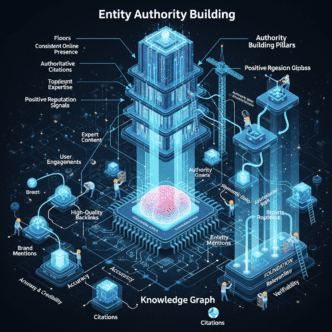
Entity Authority Building: Creating Trust & Credibility in the Knowledge Graph Entity Authority Building: Creating Trust & Credibility in the Knowledge Graph
  • Entity-Based SEO & Semantic Search

Entity Authority Building: Creating Trust & Credibility in the Knowledge Graph

byLaura G
December 20, 2025
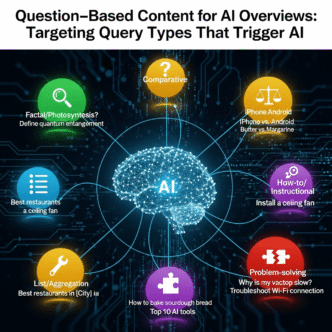
Question-Based Content for AI Overviews: Targeting Query Types That Trigger AI Question-Based Content for AI Overviews: Targeting Query Types That Trigger AI
  • Generative Engine Optimization (GEO)

Question-Based Content for AI Overviews: Targeting Query Types That Trigger AI

byLaura G
December 20, 2025
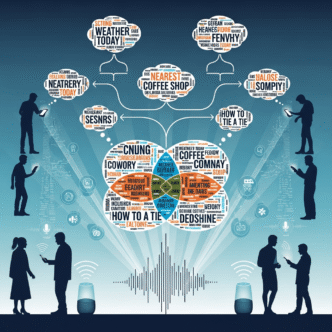
Natural Language Patterns in Voice Search: Understanding How People Speak to Devices Natural Language Patterns in Voice Search: Understanding How People Speak to Devices
  • Generative Engine Optimization (GEO)

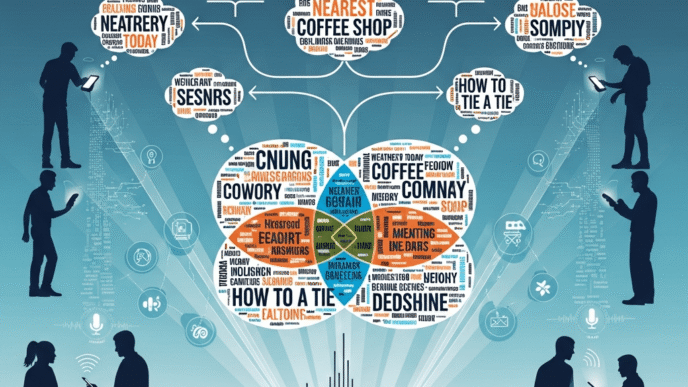
Natural Language Patterns in Voice Search: Understanding How People Speak to Devices (Visualization)

byLaura G
December 19, 2025
How to Write SEO-Friendly Meta Tags That Drive Clicks How to Write SEO-Friendly Meta Tags That Drive Clicks
  • On-Page SEO Hub

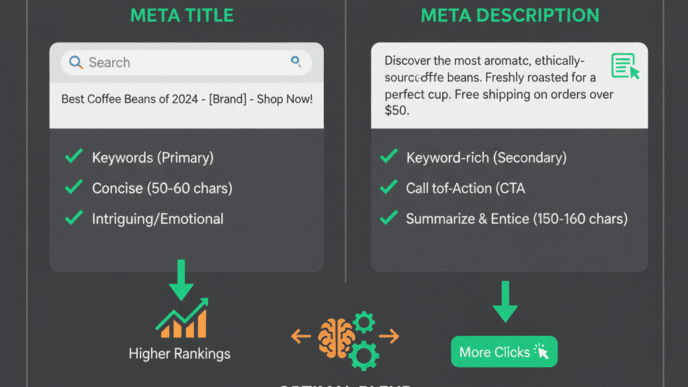
How to Write SEO-Friendly Meta Tags That Drive Clicks

byS I Moz
November 21, 2025
User Intent Optimization: The #1 AI SEO Ranking Factor Beginners Miss User Intent Optimization: The #1 AI SEO Ranking Factor Beginners Miss
  • Generative Engine Optimization (GEO)

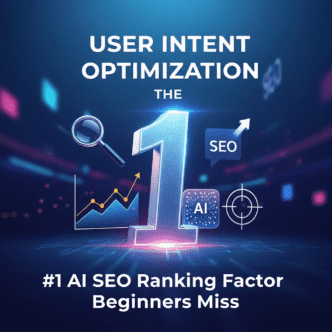
User Intent Optimization: The #1 AI SEO Ranking Factor Beginners Miss (Visual)

byLaura G
November 8, 2025
# What is Artificial Intelligence in SEO? A Simple Explanation for Non-Technical Marketers Ever feel like Google's reading your mind? You type "best pizza near..." and before you finish, it already knows you want something open now, with good reviews, that delivers. That's not magic—that's **artificial intelligence in SEO** doing its thing. If you're a marketer who breaks into a cold sweat when someone mentions algorithms or machine learning, breathe easy. This guide strips away the jargon and shows you exactly what AI means for your search rankings—without needing a computer science degree. ## What Exactly Is Artificial Intelligence in SEO? Let's start with the basics. **Artificial intelligence in SEO** is essentially teaching computers to think like humans when it comes to understanding search queries and content quality. Think of it this way: Old-school search engines were like that friend who takes everything literally. Ask them "what's the best time to visit Japan," and they'd match those exact words on a page. Modern **AI in search engines**? They understand you're planning a trip, considering weather, festivals, and crowd levels—even if you didn't spell it out. **AI for search marketing** uses three main superpowers: - **Natural Language Processing (NLP)**: Understanding what words actually *mean* in context - **Machine Learning**: Getting smarter from patterns in billions of searches - **Predictive Analytics**: Anticipating what searchers really want before they finish typing The bottom line? Search engines don't just read anymore—they *comprehend*. ## Why Should Non-Technical Marketers Care About AI SEO? Here's the uncomfortable truth: If you're still optimizing like it's 2015, your competitors are leaving you in the dust. **AI technology in search** has fundamentally changed the game. Google's RankBrain (launched in 2015) now influences virtually every query. BERT (2019) revolutionized how Google understands conversational language. And MUM (2021)? It can understand information across 75 languages and multiple formats simultaneously. What does this mean for your Tuesday morning content strategy meeting? **Keyword stuffing is dead.** User intent is king. And that "perfect" 500-word blog post template? Throw it out. > **Pro Tip:** According to a 2024 study by Backlinko, pages that satisfy user intent rank on average 3.2 positions higher than those that simply target keywords. Modern **artificial intelligence search optimization** rewards content that actually answers questions, solves problems, and keeps humans engaged—not algorithms. ## How Does AI Work in Search Engine Optimization? (The Non-Techy Version) Imagine you're training a really smart dog. At first, you show it what "sit" means. Then "stay." Eventually, it starts predicting when you're about to say "walk" just by watching you grab your shoes. **Machine intelligence SEO** works similarly, just with billions of data points instead of treats. ### The Learning Process Google's AI systems analyze: - **Billions of searches** to understand patterns (what people really want vs. what they type) - **Click-through behavior** (which results people actually find useful) - **Dwell time** (how long someone stays before hitting the back button) - **Content quality signals** (expertise, trustworthiness, relevance) Here's where it gets interesting. Traditional algorithms followed rigid rules: "If page has keyword 10 times, rank higher." **AI in search engines** is more nuanced: "This page doesn't mention the exact keyword once, but it perfectly answers the question with expert analysis—rank it #1." ### Real-World Example: The Coffee Shop Search Let's say someone searches "coffee shop." A decade ago, Google would show pages with those exact words. Today's AI considers: - **Location** (you probably want something nearby) - **Time of day** (open now vs. planning for later) - **Device** (mobile = likely ready to visit) - **Past behavior** (do you usually look for cozy spots or quick grab-and-go?) - **Implicit intent** (reviews? directions? menu?) All of this happens in 0.2 seconds. That's **what is AI SEO** in action. ## What Are the Key AI Technologies Changing SEO Right Now? Let's break down the AI systems you need to know about—without the headache-inducing technical details. ### Google's RankBrain: The Original AI Game-Changer Launched in 2015, RankBrain was Google's first major AI system. It focuses on understanding **search intent**—what you really mean, not just what you type. Before RankBrain: "Best smartphone under 500" and "top phones less than $500" were treated as completely different queries. After RankBrain: Google understands these are essentially the same question and shows similar results. **For marketers:** Create content clusters around topics, not just individual keywords. RankBrain rewards comprehensive coverage of subject areas. ### BERT: Understanding Conversational Language BERT (**B**idirectional **E**ncoder **R**epresentations from **T**ransformers) changed everything in 2019 by understanding context within sentences. The famous example: "2019 brazil traveler to USA need a visa" Pre-BERT: Google focused on "Brazil" and "USA" and "visa"—showing results about Americans going to Brazil. Post-BERT: Google understands "traveler *to* USA" means the direction matters—showing results about Brazilians visiting America. > **Pro Tip:** Write naturally. BERT rewards conversational content that flows like human speech, not robotic keyword insertion. ### MUM: The Multitasking Marvel **Multitask Unified Model (MUM)** is 1,000 times more powerful than BERT. It can: - Understand and generate language across 75+ languages - Analyze images and text simultaneously - Answer complex questions requiring multiple steps - Transfer knowledge between tasks Real impact: Someone searching "I've hiked Mt. Fuji, what should I train differently for Mt. Kilimanjaro?" MUM understands hiking experience, compares mountain challenges, and suggests training adjustments—all without you listing every detail. ### Neural Matching: The Context Detective Neural matching (introduced 2018) connects queries to concepts, not just keywords. It's particularly powerful for **long-tail keywords** and obscure searches. Example: Someone searches "why does my cat yowl at night." Neural matching understands this relates to: - Feline behavior - Nocturnal activity - Pet anxiety - Veterinary advice Even if the top-ranking page never uses the word "yowl," it might rank if it thoroughly covers nighttime cat vocalization issues. ## The Comparison: Traditional SEO vs. AI-Powered SEO | **Aspect** | **Traditional SEO** | **AI-Powered SEO** | |------------|---------------------|-------------------| | **Keyword Focus** | Exact-match keywords | Semantic meaning & intent | | **Content Length** | "Magic" word counts | Depth that satisfies query | | **Link Building** | Quantity matters | Relevance & authority crucial | | **Ranking Factors** | 200+ static signals | Dynamic, contextual signals | | **Optimization Target** | Search engine crawlers | Human users (measured by AI) | | **Update Frequency** | Periodic algorithm updates | Continuous learning & adaptation | | **Content Strategy** | Individual keyword pages | Topic clusters & authority hubs | | **Success Metrics** | Rankings & traffic | Engagement & conversion satisfaction | The biggest shift? **Understanding AI in SEO without technical background** means realizing you're optimizing for *humans* while AI watches how they respond. ## How Is AI Impacting Different Types of SEO? ### Content Creation & Optimization AI doesn't just evaluate content anymore—it helps create it. Tools like Jasper, Copy.ai, and Claude (hey, that's me!) can draft outlines, suggest topics, and even write full articles. But here's the catch: **AI-generated content without human expertise is thin soup.** Google's helpful content guidelines specifically target content created "primarily for search engines." **The winning formula:** AI for efficiency + human expertise for authenticity. A 2024 case study from Content Marketing Institute found that marketers using AI tools for research and outlining (but writing with human insight) saw 47% better engagement metrics than those publishing pure AI content or pure human-only work. ### Technical SEO **Artificial intelligence impact on SEO for beginners** is perhaps most visible in technical optimization. AI tools now: - **Automatically identify crawl issues** (Screaming Frog's AI features) - **Predict Core Web Vitals problems** before they hurt rankings - **Suggest schema markup** based on content analysis - **Detect duplicate content** with semantic matching (not just exact copies) For non-technical marketers, this means you can spot issues that used to require a developer's eye. ### Local SEO Google's AI has transformed **what is AI SEO** for local businesses. The local pack results now consider: - **Semantic location variations** ("near me," neighborhood names, landmarks) - **Real-time inventory** (for retail) - **Popular times** (crowd prediction) - **Image analysis** (AI reads your storefront photos, menu images) > **Pro Tip:** Update your Google Business Profile with detailed, conversational descriptions. AI uses this text to match with natural language queries. ### Voice Search Optimization With AI assistants like Siri, Alexa, and Google Assistant, voice search now accounts for over 50% of searches in some demographics. These queries are longer, more conversational, and question-based. Voice search: "What's the best Italian restaurant with outdoor seating near downtown Denver?" Text search: "Italian restaurant Denver outdoor" **AI for search marketing** interprets both, but your content needs to answer the conversational version to capture voice traffic. ## What Are the Practical Steps to Optimize for AI-Driven Search? Enough theory—let's get tactical. Here's how to adapt your SEO strategy for the AI era. ### 1. Master Search Intent (It's Everything Now) Every piece of content should clearly satisfy one of four intent types: - **Informational** (learning/understanding) - **Navigational** (finding a specific site) - **Transactional** (ready to buy) - **Commercial investigation** (comparing before buying) **Action step:** Before writing, Google your target keyword. Look at the top 5 results. What type of content dominates? Match that format and intent—that's what AI has determined users want. ### 2. Create Topic Clusters, Not Orphan Pages The [pillar-cluster model](https://seoprojournal.com/ai-machine-learning-for-seo-beginners/) is AI SEO gold. Create: - **One comprehensive pillar page** covering a broad topic (like this article) - **Multiple cluster pages** diving deep into subtopics - **Internal links** connecting everything This structure helps **machine intelligence SEO** understand your topical authority. Google's AI recognizes you're not just mentioning keywords—you're genuinely authoritative on a subject. **Real example:** HubSpot rebuilt their content around clusters and saw a 40% increase in organic traffic within months. ### 3. Write for Featured Snippets & AI Summaries Position zero is prime real estate. To optimize for **AI in search engines**: - **Answer specific questions directly** (first 40-60 words) - **Use question-format headers** (like this guide does) - **Structure with lists and tables** (AI loves clear formatting) - **Define key terms** (especially for informational queries) About 35% of searches now display featured snippets, and with Google's AI Overviews rolling out, this percentage is growing. ### 4. Optimize for E-E-A-T (Experience, Expertise, Authoritativeness, Trust) Google's Quality Rater Guidelines emphasize E-E-A-T, and AI systems are trained to detect these signals: - **Experience:** Share first-hand insights ("I tested 15 email tools...") - **Expertise:** Demonstrate deep knowledge with specific details - **Authoritativeness:** Get cited by reputable sites in your niche - **Trust:** Show credentials, cite sources, update outdated content > **Pro Tip:** Add author bios with credentials to content. Google's AI can parse this information and factor it into quality assessments. ### 5. Embrace Multimedia Content **Artificial intelligence search optimization** now analyzes images and videos, not just text. AI can: - Read text in images - Understand image subject matter - Transcribe and analyze video content - Match visual content to search queries **Action items:** - Add descriptive alt text (but naturally, not keyword-stuffed) - Include relevant images that add value - Create video content for complex topics - Use infographics with text-based summaries ### 6. Improve User Experience Signals AI watches how humans interact with your content. Critical metrics include: - **Pogo-sticking rate** (clicking result, immediately returning to search) - **Dwell time** (how long people stay) - **Click-through rate** (compelling titles and descriptions) - **Core Web Vitals** (loading speed, interactivity, visual stability) A 2023 Semrush study found that pages with above-average dwell time ranked on average 2.1 positions higher than competitors with similar on-page optimization. ### 7. Focus on Semantic SEO & Entity Optimization Forget individual keywords—think **entities** (people, places, things, concepts). **Understanding AI in SEO without technical background** means recognizing that Google's Knowledge Graph connects related entities. **Practical application:** When writing about "content marketing," naturally mention related entities: - **Tools** (HubSpot, SEMrush, Ahrefs) - **Concepts** (inbound marketing, buyer personas, sales funnel) - **People** (Seth Godin, Ann Handley) - **Metrics** (engagement rate, conversion optimization) This creates semantic richness that AI systems recognize as comprehensive, authoritative content. ## What Tools Can Help Non-Technical Marketers With AI SEO? You don't need to be a data scientist to leverage AI. Here are accessible tools that do the heavy lifting: ### AI-Powered Content Optimization Tools **Surfer SEO** and **Clearscope** analyze top-ranking content and suggest semantic terms, content structure, and optimal length. They reverse-engineer what's working for AI algorithms. **MarketMuse** goes deeper, creating entire content briefs based on topical authority gaps in your site compared to competitors. ### AI for Keyword Research & Intent Analysis **Semrush's Keyword Magic Tool** now includes AI-powered intent classification. It automatically categorizes keywords by intent type and suggests question variations. **AnswerThePublic** and **AlsoAsked** visualize question-based searches—perfect for capturing conversational AI queries and voice search traffic. ### Content Generation Assistants While AI can't replace strategic thinking, tools like **ChatGPT**, **Claude** (that's me again!), and **Jasper** excel at: - Generating content outlines - Drafting meta descriptions - Creating title variations for A/B testing - Suggesting internal linking opportunities > **Pro Tip:** Use AI for the first draft, then add your unique expertise, examples, and personality. This hybrid approach delivers the best results. ### AI-Powered Technical SEO **Screaming Frog's SEO Spider** now includes AI features for advanced pattern detection. **Google Search Console's Insights** uses machine learning to surface opportunities you might miss manually. For [AI and machine learning approaches in SEO](https://seoprojournal.com/ai-machine-learning-for-seo-beginners/), these tools democratize advanced optimization that once required developer expertise. ## What Common Mistakes Should You Avoid With AI SEO? Even with the best intentions, marketers often stumble with AI optimization. Here are the pitfalls to sidestep: ### Mistake #1: Keyword Stuffing 2.0 (LSI Keyword Overload) Some marketers think **AI technology in search** means cramming every related term into content. Wrong. Google's AI detects unnatural language patterns. **Instead:** Write naturally and comprehensively. Related terms appear organically when you thoroughly cover a topic. ### Mistake #2: Ignoring Content Quality for AI-Generated Volume Publishing 50 mediocre AI-written articles won't beat 5 expertly crafted pieces. Google's Helpful Content Update specifically targets this. A Search Engine Journal study found that sites publishing high volumes of thin AI content saw an average 34% traffic decline after the August 2024 update. ### Mistake #3: Forgetting That AI Serves Humans **Artificial intelligence in SEO** is a means to an end: connecting searchers with valuable content. Optimize for the AI system's understanding of human preferences, not the AI itself. Ask yourself: "Would this content satisfy someone with this question?" If yes, you're on track. ### Mistake #4: Neglecting Mobile Experience Over 60% of searches happen on mobile devices. Google's AI prioritizes mobile-first indexing. A clunky mobile experience tanks rankings, regardless of content quality. ### Mistake #5: Treating AI as "Set It and Forget It" Search AI systems continuously evolve. What worked six months ago might be outdated. Stay current with [AI developments in SEO strategies](https://seoprojournal.com/ai-machine-learning-for-seo-beginners/) and test regularly. ## How Will AI in SEO Evolve in the Next Few Years? Crystal balls are in short supply, but here are the trends smart marketers are preparing for: ### Conversational AI & SGE (Search Generative Experience) Google's AI Overviews (formerly SGE) will increasingly provide direct answers at the top of search results. This doesn't mean SEO is dead—it means adapting strategy. **Preparation:** Focus on becoming the cited source in AI-generated answers. Clear, authoritative, well-structured content gets referenced. ### Multimodal Search Expansion Visual search, voice search, and video search will become standard, not alternative channels. **AI in search engines** will seamlessly blend these modalities. **Opportunity:** Create diverse content formats covering the same topics. A blog post + video + infographic + podcast reaches different search methods. ### Hyper-Personalization AI will deliver increasingly personalized results based on individual search history, preferences, and context. This makes broad keyword ranking less meaningful. **Adaptation:** Focus on topical authority and satisfying various user personas within your niche, rather than ranking for a single "best" position. ### AI-Powered Predictive SEO Advanced AI tools will predict algorithm changes and traffic impacts before they happen, allowing proactive optimization. **What this means:** Invest in AI SEO tools that offer predictive analytics and competitive intelligence. ## Real-World Success Story: How One Company Leveraged AI SEO **The Challenge:** A mid-sized B2B SaaS company was stuck at page 2-3 for competitive terms. Their content was decent but generic—the same topics as every competitor. **The AI SEO Transformation:** 1. **Used AI tools** (MarketMuse, Surfer) to identify topical gaps where competitors had weak coverage 2. **Created comprehensive pillar content** around three core topics—[implementing machine learning for search visibility](https://seoprojournal.com/ai-machine-learning-for-seo-beginners/) 3. **Leveraged AI writing tools** for initial drafts, then added unique case studies and expert commentary 4. **Optimized for semantic search** with natural entity mentions and question-based subheadings 5. **Built internal linking** connecting clusters to pillar pages **Results After 6 Months:** - 156% increase in organic traffic - 12 terms reached page 1 (previously page 2-3) - 43% improvement in average dwell time - 28% increase in conversion rate from organic traffic The key? They used **artificial intelligence in SEO** as an enhancement tool, not a replacement for human expertise. ## Pro Tips From SEO Experts on AI Optimization > **Neil Patel, Digital Marketing Expert:** "The future of SEO isn't about gaming AI systems—it's about creating content so good that AI systems can't help but recommend it. Focus on being the best answer, not just a ranked answer." > **Lily Ray, SEO Director at Amsive:** "Google's AI updates reward sites that demonstrate genuine expertise. The question isn't 'how do I trick the AI?' but 'how do I prove I'm the authority AI should trust?'" > **Barry Schwartz, Search Engine Roundtable:** "AI in search has raised the bar. Average content won't cut it anymore. You need to be exceptional, thorough, and genuinely helpful. The good news? AI also gives you tools to get there faster." ## Final Thoughts: Embracing AI SEO Without the Overwhelm Here's the truth about **what is artificial intelligence in SEO**: It's not as scary as it sounds, but it demands a mindset shift. Stop thinking about "beating" algorithms. Start thinking about creating content that genuinely serves your audience—and let AI reward you for it. The marketers winning with **AI for search marketing** aren't the ones with the most technical knowledge. They're the ones who: - **Understand their audience deeply** (better than any AI can) - **Create authentic, valuable content** (with AI assistance, not AI replacement) - **Stay curious and adaptable** (because AI will keep evolving) - **Focus on intent over keywords** (answering real questions, not just ranking) The [intersection of AI and SEO strategy](https://seoprojournal.com/ai-machine-learning-for-seo-beginners/) isn't about choosing between human creativity and machine efficiency—it's about combining both. You don't need to become a data scientist. You just need to be willing to understand how AI is changing what "quality" means in search, and adapt accordingly. Ready to dive deeper into specific AI applications? Check out [advanced machine learning techniques for SEO professionals](https://seoprojournal.com/ai-machine-learning-for-seo-beginners/) or explore [practical AI tools for everyday SEO tasks](https://seoprojournal.com/ai-machine-learning-for-seo-beginners/). --- ## Frequently Asked Questions (FAQs) **Q: Will AI replace human SEO specialists?** No. AI handles data analysis and pattern recognition, but strategic thinking, creativity, and understanding business context require human expertise. The most effective approach combines AI efficiency with human insight. **Q: Do I need coding skills to do AI SEO?** Absolutely not. Modern AI SEO tools have user-friendly interfaces. Understanding concepts matters more than technical implementation. Focus on strategy; tools handle the complexity. **Q: Is AI-generated content penalized by Google?** Not automatically. Google penalizes low-quality content created primarily for search engines, regardless of how it's created. AI-assisted content with genuine value and human expertise is fine. Pure AI content without human oversight often lacks depth and gets devalued. **Q: How often do Google's AI algorithms update?** Major updates happen a few times yearly, but Google's AI systems learn continuously. Small adjustments happen daily. Focus on long-term quality rather than chasing every fluctuation. **Q: Can small businesses compete with AI SEO against big brands?** Yes! AI actually levels the playing field. Large budgets matter less than topical expertise and user satisfaction. Niche authority beats generic coverage every time. **Q: What's the single most important thing for AI SEO success?** **Search intent alignment.** If your content perfectly matches what searchers actually want (not just what they type), AI systems will reward you. Everything else supports this foundation. **Q: Should I rewrite all my old content for AI optimization?** Not all at once. Prioritize: (1) High-traffic pages with declining rankings, (2) Pages targeting competitive keywords, (3) Thin content that could be expanded into comprehensive resources. Update strategically, not desperately. **Q: How do I measure AI SEO success differently from traditional SEO?** Look beyond rankings. Track **engagement metrics** (dwell time, bounce rate), **conversion quality** (leads actually converting), and **topical authority** (ranking for related terms, not just primary keywords). AI rewards holistic performance. # What is Artificial Intelligence in SEO? A Simple Explanation for Non-Technical Marketers Ever feel like Google's reading your mind? You type "best pizza near..." and before you finish, it already knows you want something open now, with good reviews, that delivers. That's not magic—that's **artificial intelligence in SEO** doing its thing. If you're a marketer who breaks into a cold sweat when someone mentions algorithms or machine learning, breathe easy. This guide strips away the jargon and shows you exactly what AI means for your search rankings—without needing a computer science degree. ## What Exactly Is Artificial Intelligence in SEO? Let's start with the basics. **Artificial intelligence in SEO** is essentially teaching computers to think like humans when it comes to understanding search queries and content quality. Think of it this way: Old-school search engines were like that friend who takes everything literally. Ask them "what's the best time to visit Japan," and they'd match those exact words on a page. Modern **AI in search engines**? They understand you're planning a trip, considering weather, festivals, and crowd levels—even if you didn't spell it out. **AI for search marketing** uses three main superpowers: - **Natural Language Processing (NLP)**: Understanding what words actually *mean* in context - **Machine Learning**: Getting smarter from patterns in billions of searches - **Predictive Analytics**: Anticipating what searchers really want before they finish typing The bottom line? Search engines don't just read anymore—they *comprehend*. ## Why Should Non-Technical Marketers Care About AI SEO? Here's the uncomfortable truth: If you're still optimizing like it's 2015, your competitors are leaving you in the dust. **AI technology in search** has fundamentally changed the game. Google's RankBrain (launched in 2015) now influences virtually every query. BERT (2019) revolutionized how Google understands conversational language. And MUM (2021)? It can understand information across 75 languages and multiple formats simultaneously. What does this mean for your Tuesday morning content strategy meeting? **Keyword stuffing is dead.** User intent is king. And that "perfect" 500-word blog post template? Throw it out. > **Pro Tip:** According to a 2024 study by Backlinko, pages that satisfy user intent rank on average 3.2 positions higher than those that simply target keywords. Modern **artificial intelligence search optimization** rewards content that actually answers questions, solves problems, and keeps humans engaged—not algorithms. ## How Does AI Work in Search Engine Optimization? (The Non-Techy Version) Imagine you're training a really smart dog. At first, you show it what "sit" means. Then "stay." Eventually, it starts predicting when you're about to say "walk" just by watching you grab your shoes. **Machine intelligence SEO** works similarly, just with billions of data points instead of treats. ### The Learning Process Google's AI systems analyze: - **Billions of searches** to understand patterns (what people really want vs. what they type) - **Click-through behavior** (which results people actually find useful) - **Dwell time** (how long someone stays before hitting the back button) - **Content quality signals** (expertise, trustworthiness, relevance) Here's where it gets interesting. Traditional algorithms followed rigid rules: "If page has keyword 10 times, rank higher." **AI in search engines** is more nuanced: "This page doesn't mention the exact keyword once, but it perfectly answers the question with expert analysis—rank it #1." ### Real-World Example: The Coffee Shop Search Let's say someone searches "coffee shop." A decade ago, Google would show pages with those exact words. Today's AI considers: - **Location** (you probably want something nearby) - **Time of day** (open now vs. planning for later) - **Device** (mobile = likely ready to visit) - **Past behavior** (do you usually look for cozy spots or quick grab-and-go?) - **Implicit intent** (reviews? directions? menu?) All of this happens in 0.2 seconds. That's **what is AI SEO** in action. ## What Are the Key AI Technologies Changing SEO Right Now? Let's break down the AI systems you need to know about—without the headache-inducing technical details. ### Google's RankBrain: The Original AI Game-Changer Launched in 2015, RankBrain was Google's first major AI system. It focuses on understanding **search intent**—what you really mean, not just what you type. Before RankBrain: "Best smartphone under 500" and "top phones less than $500" were treated as completely different queries. After RankBrain: Google understands these are essentially the same question and shows similar results. **For marketers:** Create content clusters around topics, not just individual keywords. RankBrain rewards comprehensive coverage of subject areas. ### BERT: Understanding Conversational Language BERT (**B**idirectional **E**ncoder **R**epresentations from **T**ransformers) changed everything in 2019 by understanding context within sentences. The famous example: "2019 brazil traveler to USA need a visa" Pre-BERT: Google focused on "Brazil" and "USA" and "visa"—showing results about Americans going to Brazil. Post-BERT: Google understands "traveler *to* USA" means the direction matters—showing results about Brazilians visiting America. > **Pro Tip:** Write naturally. BERT rewards conversational content that flows like human speech, not robotic keyword insertion. ### MUM: The Multitasking Marvel **Multitask Unified Model (MUM)** is 1,000 times more powerful than BERT. It can: - Understand and generate language across 75+ languages - Analyze images and text simultaneously - Answer complex questions requiring multiple steps - Transfer knowledge between tasks Real impact: Someone searching "I've hiked Mt. Fuji, what should I train differently for Mt. Kilimanjaro?" MUM understands hiking experience, compares mountain challenges, and suggests training adjustments—all without you listing every detail. ### Neural Matching: The Context Detective Neural matching (introduced 2018) connects queries to concepts, not just keywords. It's particularly powerful for **long-tail keywords** and obscure searches. Example: Someone searches "why does my cat yowl at night." Neural matching understands this relates to: - Feline behavior - Nocturnal activity - Pet anxiety - Veterinary advice Even if the top-ranking page never uses the word "yowl," it might rank if it thoroughly covers nighttime cat vocalization issues. ## The Comparison: Traditional SEO vs. AI-Powered SEO | **Aspect** | **Traditional SEO** | **AI-Powered SEO** | |------------|---------------------|-------------------| | **Keyword Focus** | Exact-match keywords | Semantic meaning & intent | | **Content Length** | "Magic" word counts | Depth that satisfies query | | **Link Building** | Quantity matters | Relevance & authority crucial | | **Ranking Factors** | 200+ static signals | Dynamic, contextual signals | | **Optimization Target** | Search engine crawlers | Human users (measured by AI) | | **Update Frequency** | Periodic algorithm updates | Continuous learning & adaptation | | **Content Strategy** | Individual keyword pages | Topic clusters & authority hubs | | **Success Metrics** | Rankings & traffic | Engagement & conversion satisfaction | The biggest shift? **Understanding AI in SEO without technical background** means realizing you're optimizing for *humans* while AI watches how they respond. ## How Is AI Impacting Different Types of SEO? ### Content Creation & Optimization AI doesn't just evaluate content anymore—it helps create it. Tools like Jasper, Copy.ai, and Claude (hey, that's me!) can draft outlines, suggest topics, and even write full articles. But here's the catch: **AI-generated content without human expertise is thin soup.** Google's helpful content guidelines specifically target content created "primarily for search engines." **The winning formula:** AI for efficiency + human expertise for authenticity. A 2024 case study from Content Marketing Institute found that marketers using AI tools for research and outlining (but writing with human insight) saw 47% better engagement metrics than those publishing pure AI content or pure human-only work. ### Technical SEO **Artificial intelligence impact on SEO for beginners** is perhaps most visible in technical optimization. AI tools now: - **Automatically identify crawl issues** (Screaming Frog's AI features) - **Predict Core Web Vitals problems** before they hurt rankings - **Suggest schema markup** based on content analysis - **Detect duplicate content** with semantic matching (not just exact copies) For non-technical marketers, this means you can spot issues that used to require a developer's eye. ### Local SEO Google's AI has transformed **what is AI SEO** for local businesses. The local pack results now consider: - **Semantic location variations** ("near me," neighborhood names, landmarks) - **Real-time inventory** (for retail) - **Popular times** (crowd prediction) - **Image analysis** (AI reads your storefront photos, menu images) > **Pro Tip:** Update your Google Business Profile with detailed, conversational descriptions. AI uses this text to match with natural language queries. ### Voice Search Optimization With AI assistants like Siri, Alexa, and Google Assistant, voice search now accounts for over 50% of searches in some demographics. These queries are longer, more conversational, and question-based. Voice search: "What's the best Italian restaurant with outdoor seating near downtown Denver?" Text search: "Italian restaurant Denver outdoor" **AI for search marketing** interprets both, but your content needs to answer the conversational version to capture voice traffic. ## What Are the Practical Steps to Optimize for AI-Driven Search? Enough theory—let's get tactical. Here's how to adapt your SEO strategy for the AI era. ### 1. Master Search Intent (It's Everything Now) Every piece of content should clearly satisfy one of four intent types: - **Informational** (learning/understanding) - **Navigational** (finding a specific site) - **Transactional** (ready to buy) - **Commercial investigation** (comparing before buying) **Action step:** Before writing, Google your target keyword. Look at the top 5 results. What type of content dominates? Match that format and intent—that's what AI has determined users want. ### 2. Create Topic Clusters, Not Orphan Pages The [pillar-cluster model](https://seoprojournal.com/ai-machine-learning-for-seo-beginners/) is AI SEO gold. Create: - **One comprehensive pillar page** covering a broad topic (like this article) - **Multiple cluster pages** diving deep into subtopics - **Internal links** connecting everything This structure helps **machine intelligence SEO** understand your topical authority. Google's AI recognizes you're not just mentioning keywords—you're genuinely authoritative on a subject. **Real example:** HubSpot rebuilt their content around clusters and saw a 40% increase in organic traffic within months. ### 3. Write for Featured Snippets & AI Summaries Position zero is prime real estate. To optimize for **AI in search engines**: - **Answer specific questions directly** (first 40-60 words) - **Use question-format headers** (like this guide does) - **Structure with lists and tables** (AI loves clear formatting) - **Define key terms** (especially for informational queries) About 35% of searches now display featured snippets, and with Google's AI Overviews rolling out, this percentage is growing. ### 4. Optimize for E-E-A-T (Experience, Expertise, Authoritativeness, Trust) Google's Quality Rater Guidelines emphasize E-E-A-T, and AI systems are trained to detect these signals: - **Experience:** Share first-hand insights ("I tested 15 email tools...") - **Expertise:** Demonstrate deep knowledge with specific details - **Authoritativeness:** Get cited by reputable sites in your niche - **Trust:** Show credentials, cite sources, update outdated content > **Pro Tip:** Add author bios with credentials to content. Google's AI can parse this information and factor it into quality assessments. ### 5. Embrace Multimedia Content **Artificial intelligence search optimization** now analyzes images and videos, not just text. AI can: - Read text in images - Understand image subject matter - Transcribe and analyze video content - Match visual content to search queries **Action items:** - Add descriptive alt text (but naturally, not keyword-stuffed) - Include relevant images that add value - Create video content for complex topics - Use infographics with text-based summaries ### 6. Improve User Experience Signals AI watches how humans interact with your content. Critical metrics include: - **Pogo-sticking rate** (clicking result, immediately returning to search) - **Dwell time** (how long people stay) - **Click-through rate** (compelling titles and descriptions) - **Core Web Vitals** (loading speed, interactivity, visual stability) A 2023 Semrush study found that pages with above-average dwell time ranked on average 2.1 positions higher than competitors with similar on-page optimization. ### 7. Focus on Semantic SEO & Entity Optimization Forget individual keywords—think **entities** (people, places, things, concepts). **Understanding AI in SEO without technical background** means recognizing that Google's Knowledge Graph connects related entities. **Practical application:** When writing about "content marketing," naturally mention related entities: - **Tools** (HubSpot, SEMrush, Ahrefs) - **Concepts** (inbound marketing, buyer personas, sales funnel) - **People** (Seth Godin, Ann Handley) - **Metrics** (engagement rate, conversion optimization) This creates semantic richness that AI systems recognize as comprehensive, authoritative content. ## What Tools Can Help Non-Technical Marketers With AI SEO? You don't need to be a data scientist to leverage AI. Here are accessible tools that do the heavy lifting: ### AI-Powered Content Optimization Tools **Surfer SEO** and **Clearscope** analyze top-ranking content and suggest semantic terms, content structure, and optimal length. They reverse-engineer what's working for AI algorithms. **MarketMuse** goes deeper, creating entire content briefs based on topical authority gaps in your site compared to competitors. ### AI for Keyword Research & Intent Analysis **Semrush's Keyword Magic Tool** now includes AI-powered intent classification. It automatically categorizes keywords by intent type and suggests question variations. **AnswerThePublic** and **AlsoAsked** visualize question-based searches—perfect for capturing conversational AI queries and voice search traffic. ### Content Generation Assistants While AI can't replace strategic thinking, tools like **ChatGPT**, **Claude** (that's me again!), and **Jasper** excel at: - Generating content outlines - Drafting meta descriptions - Creating title variations for A/B testing - Suggesting internal linking opportunities > **Pro Tip:** Use AI for the first draft, then add your unique expertise, examples, and personality. This hybrid approach delivers the best results. ### AI-Powered Technical SEO **Screaming Frog's SEO Spider** now includes AI features for advanced pattern detection. **Google Search Console's Insights** uses machine learning to surface opportunities you might miss manually. For [AI and machine learning approaches in SEO](https://seoprojournal.com/ai-machine-learning-for-seo-beginners/), these tools democratize advanced optimization that once required developer expertise. ## What Common Mistakes Should You Avoid With AI SEO? Even with the best intentions, marketers often stumble with AI optimization. Here are the pitfalls to sidestep: ### Mistake #1: Keyword Stuffing 2.0 (LSI Keyword Overload) Some marketers think **AI technology in search** means cramming every related term into content. Wrong. Google's AI detects unnatural language patterns. **Instead:** Write naturally and comprehensively. Related terms appear organically when you thoroughly cover a topic. ### Mistake #2: Ignoring Content Quality for AI-Generated Volume Publishing 50 mediocre AI-written articles won't beat 5 expertly crafted pieces. Google's Helpful Content Update specifically targets this. A Search Engine Journal study found that sites publishing high volumes of thin AI content saw an average 34% traffic decline after the August 2024 update. ### Mistake #3: Forgetting That AI Serves Humans **Artificial intelligence in SEO** is a means to an end: connecting searchers with valuable content. Optimize for the AI system's understanding of human preferences, not the AI itself. Ask yourself: "Would this content satisfy someone with this question?" If yes, you're on track. ### Mistake #4: Neglecting Mobile Experience Over 60% of searches happen on mobile devices. Google's AI prioritizes mobile-first indexing. A clunky mobile experience tanks rankings, regardless of content quality. ### Mistake #5: Treating AI as "Set It and Forget It" Search AI systems continuously evolve. What worked six months ago might be outdated. Stay current with [AI developments in SEO strategies](https://seoprojournal.com/ai-machine-learning-for-seo-beginners/) and test regularly. ## How Will AI in SEO Evolve in the Next Few Years? Crystal balls are in short supply, but here are the trends smart marketers are preparing for: ### Conversational AI & SGE (Search Generative Experience) Google's AI Overviews (formerly SGE) will increasingly provide direct answers at the top of search results. This doesn't mean SEO is dead—it means adapting strategy. **Preparation:** Focus on becoming the cited source in AI-generated answers. Clear, authoritative, well-structured content gets referenced. ### Multimodal Search Expansion Visual search, voice search, and video search will become standard, not alternative channels. **AI in search engines** will seamlessly blend these modalities. **Opportunity:** Create diverse content formats covering the same topics. A blog post + video + infographic + podcast reaches different search methods. ### Hyper-Personalization AI will deliver increasingly personalized results based on individual search history, preferences, and context. This makes broad keyword ranking less meaningful. **Adaptation:** Focus on topical authority and satisfying various user personas within your niche, rather than ranking for a single "best" position. ### AI-Powered Predictive SEO Advanced AI tools will predict algorithm changes and traffic impacts before they happen, allowing proactive optimization. **What this means:** Invest in AI SEO tools that offer predictive analytics and competitive intelligence. ## Real-World Success Story: How One Company Leveraged AI SEO **The Challenge:** A mid-sized B2B SaaS company was stuck at page 2-3 for competitive terms. Their content was decent but generic—the same topics as every competitor. **The AI SEO Transformation:** 1. **Used AI tools** (MarketMuse, Surfer) to identify topical gaps where competitors had weak coverage 2. **Created comprehensive pillar content** around three core topics—[implementing machine learning for search visibility](https://seoprojournal.com/ai-machine-learning-for-seo-beginners/) 3. **Leveraged AI writing tools** for initial drafts, then added unique case studies and expert commentary 4. **Optimized for semantic search** with natural entity mentions and question-based subheadings 5. **Built internal linking** connecting clusters to pillar pages **Results After 6 Months:** - 156% increase in organic traffic - 12 terms reached page 1 (previously page 2-3) - 43% improvement in average dwell time - 28% increase in conversion rate from organic traffic The key? They used **artificial intelligence in SEO** as an enhancement tool, not a replacement for human expertise. ## Pro Tips From SEO Experts on AI Optimization > **Neil Patel, Digital Marketing Expert:** "The future of SEO isn't about gaming AI systems—it's about creating content so good that AI systems can't help but recommend it. Focus on being the best answer, not just a ranked answer." > **Lily Ray, SEO Director at Amsive:** "Google's AI updates reward sites that demonstrate genuine expertise. The question isn't 'how do I trick the AI?' but 'how do I prove I'm the authority AI should trust?'" > **Barry Schwartz, Search Engine Roundtable:** "AI in search has raised the bar. Average content won't cut it anymore. You need to be exceptional, thorough, and genuinely helpful. The good news? AI also gives you tools to get there faster." ## Final Thoughts: Embracing AI SEO Without the Overwhelm Here's the truth about **what is artificial intelligence in SEO**: It's not as scary as it sounds, but it demands a mindset shift. Stop thinking about "beating" algorithms. Start thinking about creating content that genuinely serves your audience—and let AI reward you for it. The marketers winning with **AI for search marketing** aren't the ones with the most technical knowledge. They're the ones who: - **Understand their audience deeply** (better than any AI can) - **Create authentic, valuable content** (with AI assistance, not AI replacement) - **Stay curious and adaptable** (because AI will keep evolving) - **Focus on intent over keywords** (answering real questions, not just ranking) The [intersection of AI and SEO strategy](https://seoprojournal.com/ai-machine-learning-for-seo-beginners/) isn't about choosing between human creativity and machine efficiency—it's about combining both. You don't need to become a data scientist. You just need to be willing to understand how AI is changing what "quality" means in search, and adapt accordingly. Ready to dive deeper into specific AI applications? Check out [advanced machine learning techniques for SEO professionals](https://seoprojournal.com/ai-machine-learning-for-seo-beginners/) or explore [practical AI tools for everyday SEO tasks](https://seoprojournal.com/ai-machine-learning-for-seo-beginners/). --- ## Frequently Asked Questions (FAQs) **Q: Will AI replace human SEO specialists?** No. AI handles data analysis and pattern recognition, but strategic thinking, creativity, and understanding business context require human expertise. The most effective approach combines AI efficiency with human insight. **Q: Do I need coding skills to do AI SEO?** Absolutely not. Modern AI SEO tools have user-friendly interfaces. Understanding concepts matters more than technical implementation. Focus on strategy; tools handle the complexity. **Q: Is AI-generated content penalized by Google?** Not automatically. Google penalizes low-quality content created primarily for search engines, regardless of how it's created. AI-assisted content with genuine value and human expertise is fine. Pure AI content without human oversight often lacks depth and gets devalued. **Q: How often do Google's AI algorithms update?** Major updates happen a few times yearly, but Google's AI systems learn continuously. Small adjustments happen daily. Focus on long-term quality rather than chasing every fluctuation. **Q: Can small businesses compete with AI SEO against big brands?** Yes! AI actually levels the playing field. Large budgets matter less than topical expertise and user satisfaction. Niche authority beats generic coverage every time. **Q: What's the single most important thing for AI SEO success?** **Search intent alignment.** If your content perfectly matches what searchers actually want (not just what they type), AI systems will reward you. Everything else supports this foundation. **Q: Should I rewrite all my old content for AI optimization?** Not all at once. Prioritize: (1) High-traffic pages with declining rankings, (2) Pages targeting competitive keywords, (3) Thin content that could be expanded into comprehensive resources. Update strategically, not desperately. **Q: How do I measure AI SEO success differently from traditional SEO?** Look beyond rankings. Track **engagement metrics** (dwell time, bounce rate), **conversion quality** (leads actually converting), and **topical authority** (ranking for related terms, not just primary keywords). AI rewards holistic performance.
  • Generative Engine Optimization (GEO)

What is Artificial Intelligence in SEO? A Simple Explanation for Non-Technical Marketers

byLaura G
November 3, 2025
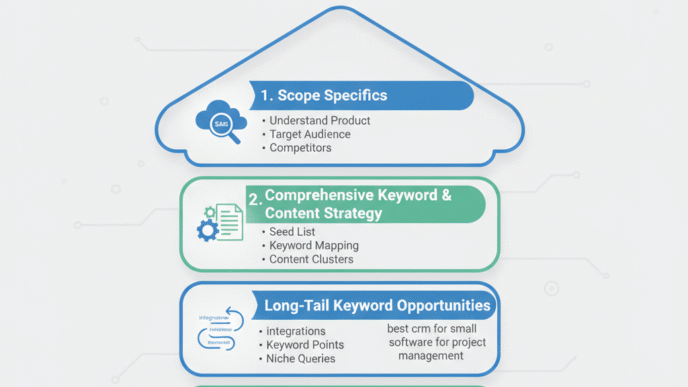
How to Do Keyword Research for SaaS Companies: A Step-by-Step Guide How to Do Keyword Research for SaaS Companies: A Step-by-Step Guide
  • SaaS SEO Strategy

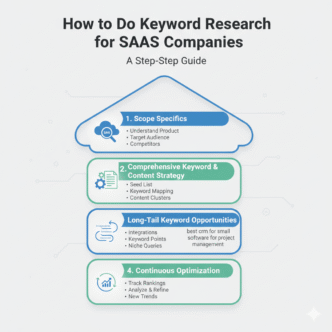
How to Do Keyword Research for SaaS Companies

byS I Moz
October 30, 2025
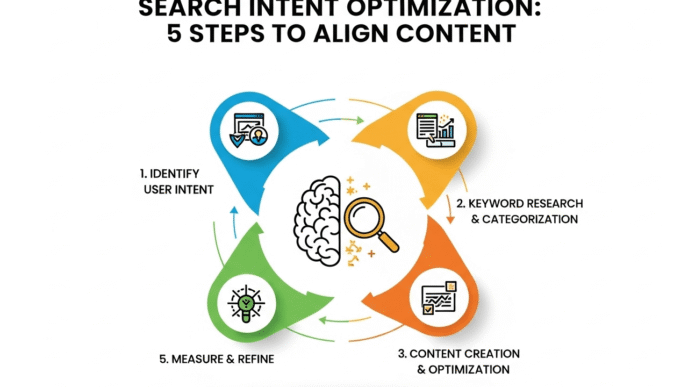
Step-by-step optimization process flowchart showing search intent analysis to content implementation workflow Step-by-step optimization process flowchart showing search intent analysis to content implementation workflow
  • Keyword Research & Semantic SEO
  • Core AI-SEO Guides

Search Intent Optimization: 5 Steps to Align Your Content for SEO Success

byS I Moz
August 30, 2025
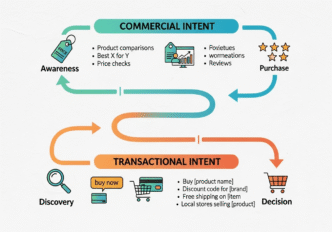
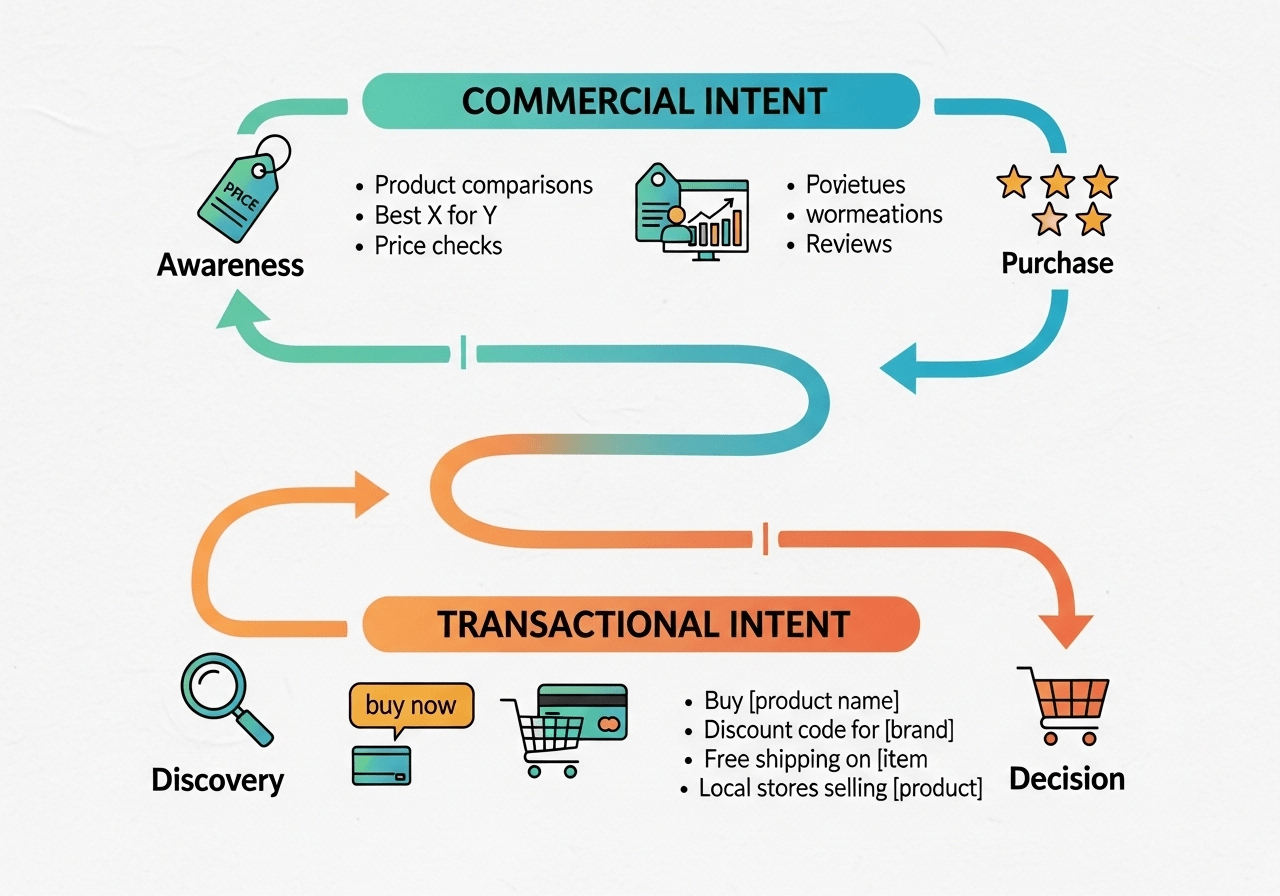
Buyer journey funnel diagram showing commercial and transactional intent stages with corresponding keyword examples Buyer journey funnel diagram showing commercial and transactional intent stages with corresponding keyword examples
  • Keyword Research & Semantic SEO
  • Core AI-SEO Guides

Commercial vs Transactional Intent: A Comprehensive Buyer’s Journey Guide

byS I Moz
August 29, 2025
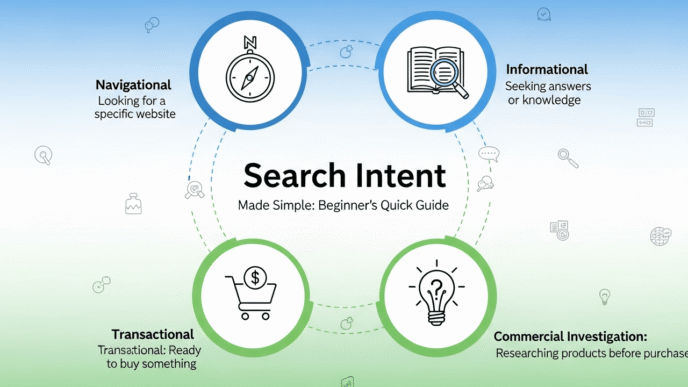
The 4 types of search intent with examples The 4 types of search intent with examples
  • Keyword Research & Semantic SEO
  • Core AI-SEO Guides

Search Intent: A Beginner’s Quick Guide to Understanding User SEO Goals

byS I Moz
August 24, 2025

Recent Posts

  • Brand vs Generic Entity Optimization: Strategies for Different Entity Types
  • Entity Mentions & Co-Occurrences: Building Contextual Relationships
  • Local Business AI Overview Optimization: Getting Featured in Geographic Searches
  • E-E-A-T for Generative Engines: Building Expertise AI Systems Trust
  • Answer Box Optimization: Targeting “What, Why, How, When” Query Snippets

Recent Comments

  1. SEO & AI: The New Power Pair on Keyword Research in 2025: Mastering Intent & AI SEO

Top News

  • Brand vs Generic Entity Optimization: Strategies for Different Entity Types
    Brand vs Generic Entity Optimization: Strategies for Different Entity Types
  • Entity Mentions & Co-Occurrences: Building Contextual Relationships
    Entity Mentions & Co-Occurrences: Building Contextual Relationships
  • Local Business AI Overview Optimization: Getting Featured in Geographic Searches
    Local Business AI Overview Optimization: Getting Featured in Geographic Searches
  • E-E-A-T for Generative Engines: Building Expertise AI Systems Trust
    E-E-A-T for Generative Engines: Building Expertise AI Systems Trust
  • Answer Box Optimization: Targeting "What, Why, How, When" Query Snippets
    Answer Box Optimization: Targeting “What, Why, How, When” Query Snippets

Latest on this theme

  • Google faces Anti trust case
    “The Great Publisher Revolt”: How Google AI Overviews Crush News Traffic & Spark EU Antitrust Fire
    by Morgan H
    July 5, 2025
  • top 10 free keyword research tools
    10 Free Keyword Tools: A Beginner’s Guide to Mastering Keyword Research
    by S I Moz
    August 22, 2025
  • Core AI-SEO Guides
    • Keyword Research & Search Intent
    • On-Page SEO Hub
    • Technical SEO Cave
    • Off-Page SEO Lab
    • Content is the King
    • Monitoring & Reporting
    • Advance SEO
    • Specialized SEO Areas
    • AI Search
  • Pro Tools & Automation
    • AI-Powered SEO Tools
    • Keyword Research Tools
    • AI Content Creation Tools
    • Technical SEO Tools
    • Link Building Tools
    • Analytics & Reporting Tools
    • Tool Comparisons & Reviews
    • AI Automation Workflows
    • Free Tools & Budget Stacks
  • News & Insights
    • Algorithm Updates
    • Tool & Platform Updates
    • Industry News
    • ChatGPT & AI News
    • Analysis & Case Studies
    • Expert Insights (Interviews)
    • Market Intelligence Report
    • Monthly/Weekly Roundups
  • OTHERS
    • Digital Marketing
    • Search Engines
    • About us
    • Privacy Policy
    • Terms & Conditions
    • Advertisement
    • Contact

Keep Up to Date with the Most Important News

By pressing the Subscribe button, you confirm that you have read and are agreeing to our Privacy Policy and Terms of Use
SEO Pro Journal SEO Pro Journal
© 2025 AI-SEO Pro Journal. Published from London. All Rights Reserved.
Facebook Twitter Instagram Youtube