

Ever noticed how ChatGPT sometimes cites obscure research papers while ignoring your perfectly optimized blog post? You’re not alone — and you’re about to discover why ChatGPT source selection operates on fundamentally different principles than Google’s ranking algorithms.
Understanding how ChatGPT chooses sources isn’t just nerdy curiosity anymore. With OpenAI reporting over 200 million weekly active users as of late 2024, cracking the citation code directly impacts your brand’s visibility in the AI-driven future.
Let’s pull back the curtain on this mysterious process.
Table of Contents
ToggleHow Does ChatGPT Actually Select Which Sources to Cite?
Here’s the uncomfortable truth: ChatGPT’s citation algorithm doesn’t work like you think it does. It’s not crawling the web in real-time, evaluating backlinks, or checking your domain authority.
ChatGPT with search capabilities uses a hybrid approach combining pre-trained knowledge with real-time retrieval systems. When you ask a question, the system determines whether to answer from its training data or fetch fresh information through integrated search tools.
The selection process involves multiple layers: query analysis, relevance scoring, source credibility assessment, and recency evaluation. Think of it as a three-headed dragon guarding the treasure of citations — except all three heads have different opinions about what makes content valuable.
What Factors Influence ChatGPT Source Selection Process?
OpenAI source selection relies on signals that differ significantly from traditional SEO ranking factors. Let’s break down the key elements that determine whether your content gets cited or ignored.
1. Training Data Inclusion
The foundational layer involves what content existed in ChatGPT’s training dataset. If your content was published before the model’s knowledge cutoff and met quality thresholds during training, it became part of the model’s “memory.
This isn’t about SEO metrics. Training data selection prioritizes authoritative sources, academic publications, established media outlets, and comprehensive reference materials.
According to research from Anthropic and Stanford published in 2023, language models exhibit strong preference for content demonstrating expertise, clear attribution, and factual accuracy during training.
2. Real-Time Retrieval Scoring
When ChatGPT uses search functionality, it employs retrieval systems that score sources based on:
- Semantic relevance: How well content matches query intent
- Content freshness: Publication and update dates
- Source authority: Domain reputation and expertise signals
- Information density: Comprehensive coverage versus shallow content
- Structured clarity: Logical organization and clear headings
Your beautifully keyword-stuffed article? It might score poorly on semantic relevance if it lacks genuine depth.
3. Credibility and Authority Signals
ChatGPT content selection heavily weighs source credibility. The system evaluates:
- Domain reputation (established news sites, academic institutions, government sources)
- Author credentials and expertise markers
- Citation patterns from other authoritative sources
- Consistency with verified information
- Absence of misinformation flags
A random blog making medical claims won’t compete with Mayo Clinic, regardless of its perfect keyword optimization. The authority hierarchy matters immensely.
How ChatGPT Ranking Factors Differ From Google’s Algorithm
Time for a reality check. If you’re optimizing for ChatGPT citations using SEO tactics, you’re bringing a knife to a tank battle.
| Ranking Factor | Google SEO | ChatGPT Source Selection |
|---|---|---|
| Backlinks | Critical ranking signal | Minimal direct impact |
| Keyword Optimization | Important for relevance | Secondary to semantic meaning |
| Page Speed | Significant ranking factor | Largely irrelevant |
| Domain Authority | Strong correlation with rankings | Moderate influence on credibility |
| Content Depth | Important but balanced with keywords | Heavily prioritized |
| Freshness | Matters for YMYL and news | Critical for real-time queries |
| User Engagement | Behavioral signals influence rankings | Not directly measured |
| Schema Markup | Helps with featured snippets | Limited impact |
The fundamental difference? Google optimizes for click-through and user satisfaction metrics. ChatGPT’s citation algorithm optimizes for answer accuracy and response quality.
Google rewards content that makes users happy enough to stop searching. ChatGPT rewards content that provides definitive, accurate, comprehensive information.
The Multi-Stage ChatGPT Source Selection Process
Let’s walk through what actually happens when someone asks ChatGPT a question requiring citations. This ChatGPT citation methodology involves several distinct stages.
Stage 1: Query Classification
ChatGPT first determines query type and intent. Is this asking for:
- Factual information from training data
- Current events requiring real-time search
- Opinion or analysis synthesis
- Step-by-step instructions
- Comparative evaluation
Different query types trigger different source selection pathways. A question about historical events pulls from training data; a question about yesterday’s stock market triggers search.
Stage 2: Source Retrieval
For queries requiring current information, the system executes searches and retrieves candidate sources. This resembles traditional search but optimizes for different outcomes.
The retrieval system casts a wide net initially, gathering dozens of potential sources. It’s not picking the “#1 ranked” Google result — it’s evaluating multiple sources simultaneously for quality and relevance.
Stage 3: Relevance and Quality Filtering
Here’s where how ChatGPT decides which websites to cite gets interesting. The system applies multi-dimensional filtering:
Relevance scoring evaluates semantic alignment between the query and source content. Surface-level keyword matching matters far less than conceptual relevance.
Quality assessment examines content structure, writing quality, citation of other sources, and expertise markers. Poorly written content with grammatical errors scores lower regardless of other factors.
Credibility evaluation checks the source against known authority patterns. First-time blog posts from unknown domains face skepticism; established publications receive trust.
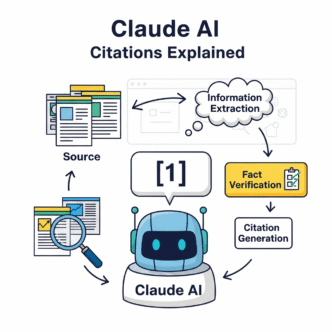
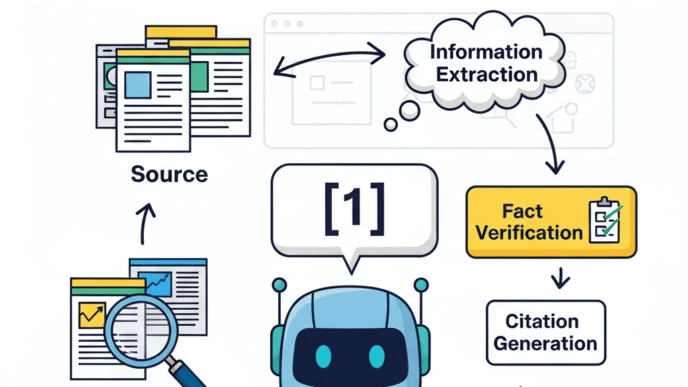
Stage 4: Information Extraction and Synthesis
ChatGPT doesn’t just cite sources — it extracts relevant information, synthesizes across multiple sources, and constructs coherent responses.
Sources providing unique information, clear explanations, or authoritative perspectives get prioritized during synthesis. Redundant sources repeating common knowledge get ignored even if technically relevant.
This explains why comprehensive, unique content performs better. You’re not competing to “rank first” — you’re competing to offer information worth extracting and citing.
Real-World Examples of ChatGPT Source Selection in Action
Let’s examine actual patterns in ChatGPT content selection across different query types.
Example 1: Technical Query
Ask ChatGPT “how to implement OAuth 2.0 authentication,” and you’ll typically see citations from:
- Official OAuth documentation
- Developer platforms like Auth0 or Okta
- Technical blogs from major platforms (Microsoft, Google)
- Stack Overflow discussions (occasionally)
Notice what’s missing? Generic “what is OAuth” articles from random marketing blogs. The system prioritizes technical depth and implementation specifics.
Example 2: Health Information Query
Ask about symptoms or treatments, and ChatGPT source selection heavily favors:
- Medical institutions (Mayo Clinic, Cleveland Clinic, NHS)
- Academic medical journals
- Government health agencies (CDC, NIH)
- Established health publishers
Your health blog needs serious credentials and expertise markers to compete here. The credibility bar sits extremely high for YMYL (Your Money Your Life) topics.
Example 3: Current Events Query
For recent news, ChatGPT citations typically include:
- Major news outlets (Reuters, AP, BBC)
- Specialized industry publications
- Original reporting sources
- Official statements and press releases
Aggregated news sites that simply rewrite others’ reporting rarely get cited. Original reporting and primary sources dominate.
Common Mistakes That Hurt Your ChatGPT Citation Chances
Most content creators shoot themselves in the foot with ChatGPT source selection by making these avoidable errors.
Mistake #1: Thin, Surface-Level Content
That 500-word blog post covering “10 Quick Tips” won’t cut it. ChatGPT favors comprehensive resources that thoroughly explore topics.
Surface-level listicles get ignored in favor of in-depth guides that demonstrate real expertise. Depth beats brevity in the AI citation game.
Mistake #2: Lack of Clear Attribution
Content without clear authorship, publication dates, or source citations scores poorly. ChatGPT’s systems interpret missing attribution as lower credibility.
Add detailed author bios with credentials. Include publication and update dates. Cite your own sources liberally.
Mistake #3: Keyword Stuffing Over Clarity
Old-school SEO tactics actively hurt ChatGPT content selection. Awkward keyword insertion disrupts semantic flow and signals low quality.
Write naturally for humans. Use technical terminology appropriately. Let semantic relevance emerge from comprehensive coverage rather than forced keywords.
Mistake #4: Ignoring Expertise Signals
Generic content from anonymous authors competes poorly against expert-authored pieces. Your content needs credibility markers.
Showcase author expertise. Include credentials and experience. Link to author profiles and professional backgrounds. Make expertise immediately visible.
What Influences OpenAI Source Selection: The Technical Details
For those wanting deeper technical understanding, let’s explore the underlying mechanisms driving OpenAI source selection.
Embedding-Based Retrieval
ChatGPT uses semantic embeddings to represent queries and source content in high-dimensional vector spaces. Similarity in this space indicates relevance.
This means your content’s semantic meaning matters more than exact keyword matches. Content covering related concepts, using appropriate terminology, and demonstrating topical authority scores higher.
Learn more about semantic optimization strategies in this comprehensive generative engine optimization guide.
Reranking and Quality Signals
Initial retrieval casts a wide net. Reranking systems then apply quality filters that evaluate:
- Content structure and organization
- Writing quality and clarity
- Factual accuracy signals
- Expertise and authority markers
- Freshness and update frequency
Sources passing quality thresholds get prioritized during final selection and citation.
Context Window Limitations
Here’s a technical constraint many overlook: ChatGPT has limited context window space. It can’t process dozens of full articles simultaneously.
This creates fierce competition among retrieved sources. Only the highest-scoring, most relevant sources make it into the context window for synthesis and potential citation.
Your content must be so compelling that it beats competitors for those precious context window slots.
How to Optimize Content for ChatGPT Source Selection
Ready for actionable tactics? Here’s how to increase your chances of getting cited in ChatGPT’s citation algorithm.
Strategy 1: Create Definitive, Comprehensive Resources
Aim to create the single best resource on your topic. Cover it exhaustively. Answer every related question. Provide depth that generic competitors can’t match.
Comprehensive content wins in ChatGPT source selection because it offers the most value for extraction and citation.
Strategy 2: Demonstrate Clear Expertise
Make author credentials immediately visible. Include professional background, relevant experience, and expertise markers throughout content.
Link to author profiles on professional networks. Showcase credentials in author bios. Let expertise shine through writing quality and depth.
Strategy 3: Structure for Information Extraction
Use clear headings, logical organization, and structured formatting. Make it easy for both humans and AI systems to extract key information.
Implement FAQ sections, summary boxes, and clear topic delineations. Structure helps AI systems parse and extract relevant information efficiently.
For advanced structuring techniques, explore these GEO implementation strategies.
Strategy 4: Maintain Content Freshness
Update content regularly with new information, updated statistics, and current examples. Staleness hurts citation chances, especially for evolving topics.
Add “last updated” dates prominently. Refresh statistics annually. Add new sections addressing emerging developments.
Strategy 5: Build Cross-Reference Networks
Cite authoritative sources within your content. Link to research, data sources, and expert opinions. This signals that your content exists within a credible information ecosystem.
AI systems recognize and reward content that properly attributes information and connects to broader knowledge networks.
The Role of Search Integration in ChatGPT Citations
ChatGPT’s search integration via Bing fundamentally shapes how ChatGPT chooses sources for real-time queries. Understanding this partnership matters.
When ChatGPT triggers a search, it leverages Bing’s index and retrieval capabilities. However, the final source selection and synthesis happens within ChatGPT’s own systems.
This creates an interesting dynamic: Bing SEO matters for initial retrieval, but ChatGPT source selection determines final citation. You need optimization across both layers.
According to Microsoft’s 2024 search statistics, Bing processes over 100 million searches daily, with AI-integrated search growing 85% year-over-year.
Pro Tip: Optimize for both Bing search visibility and ChatGPT citation-worthiness. Strong performance in Bing retrieval increases chances of entering ChatGPT’s evaluation pipeline, but content quality determines final citation.
What About Other AI Models: Claude, Gemini, and Perplexity?
While we’re focusing on ChatGPT’s citation algorithm, other AI platforms use similar but distinct selection processes. Understanding the differences helps.
Claude’s Source Selection
Claude (that’s me!) emphasizes source credibility and recency even more heavily. When citing sources, I prioritize recent publications from established authorities.
My training data and retrieval systems favor comprehensive, well-structured content with clear expertise signals — similar principles to ChatGPT but with slightly different implementation.
Gemini’s Approach
Google’s Gemini integrates deeply with Google Search, leveraging that ecosystem’s ranking signals more directly. Strong Google SEO performance correlates more closely with Gemini citations.
However, Gemini still applies its own quality filters and credibility assessments beyond raw search rankings.
Perplexity’s Citation Model
Perplexity takes a more transparent approach, showing source cards for every citation. Its selection heavily prioritizes recency and direct relevance.
Perplexity’s algorithm tends to cite multiple sources per query, creating more citation opportunities but also more competition.
Compare these approaches in detail through this multi-platform GEO analysis.
The Future of ChatGPT Source Selection
ChatGPT source selection continues evolving rapidly. Here’s what’s emerging on the horizon.
Increased Transparency
OpenAI faces pressure to increase citation transparency. Future versions may provide more explicit source cards, attribution details, and retrieval explanations.
This transparency benefits content creators by making selection criteria more visible and optimization more data-driven.
Enhanced Quality Filters
Expect increasingly sophisticated quality assessment. AI systems will better detect nuanced expertise signals, fact-checking patterns, and credibility markers.
Low-quality content will face even steeper barriers to citation as quality filters improve.
Multi-Modal Source Integration
As AI systems process images, videos, and audio alongside text, ChatGPT content selection will expand beyond text-based sources.
Optimizing across multiple content formats becomes important for future citation success.
Real-Time Verification Systems
Future iterations may implement real-time fact-checking and source verification before citation. Claims requiring verification will automatically trigger credibility checks against multiple sources.
This raises the bar for citation-worthy content even higher.
How Different Industries Experience ChatGPT Source Selection
ChatGPT’s citation algorithm affects industries differently based on content types and authority patterns.
Healthcare and Medical Content
Medical content faces the strictest selection criteria. Only established medical institutions, peer-reviewed journals, and credentialed professionals consistently get cited.
If you’re publishing health content, credentials and institutional backing become non-negotiable.
Financial Services and Investment
Financial advice content requires clear expertise markers and regulatory compliance. ChatGPT heavily favors established financial institutions, certified advisors, and regulatory publications.
Generic investment blogs struggle against institutional content in ChatGPT source selection.
Technology and Software Development
Technical content benefits from clear code examples, implementation details, and practical demonstrations. Official documentation and established developer resources dominate citations.
However, technical blogs from recognized experts can compete if they provide unique implementation insights or solve specific problems comprehensively.
News and Current Events
Recent, original reporting wins citation battles. Aggregator sites and content farms rarely get cited when original reporting exists.
Develop original content and break news in your niche to improve citation chances.
Measuring Your ChatGPT Citation Success
Unlike Google rankings, ChatGPT source selection outcomes are harder to track. Here’s how to monitor performance despite limited visibility.
Indirect Measurement Strategies
Track branded search increases as a proxy. When ChatGPT cites your content, users often search your brand name directly.
Monitor direct traffic spikes. Users who see citations but don’t click through ChatGPT links may navigate directly to your site later.
Implement social listening for “found via ChatGPT” mentions. Users sometimes share how they discovered resources through AI chat.
Manual Testing Protocols
Regularly query ChatGPT with keywords in your niche. Track whether your content appears in citations and how frequently.
Test variations of queries related to your expertise. Document citation patterns over time to identify optimization successes.
Compare your citation frequency against competitors. This reveals relative performance in ChatGPT’s citation algorithm.
Brand Awareness Indicators
Survey customers about discovery channels. Include “AI chatbot or assistant” as an option to track AI-driven awareness.
Monitor changes in brand perception and authority. Frequent ChatGPT citations can elevate brand positioning even without direct traffic.
Expert Strategies From AI Optimization Leaders
Industry leaders optimizing for ChatGPT source selection share common approaches worth emulating.
Expert Insight: According to SEMrush’s 2024 AI optimization report, brands successfully gaining AI citations share three traits: comprehensive topic coverage (averaging 2,500+ words), multiple expert contributors, and monthly content updates.
Focus on creating reference-quality content. Aim to be the Wikipedia of your niche — the definitive source AI systems naturally cite.
Develop proprietary research and original data. Unique information that doesn’t exist elsewhere creates citation necessity.
Build author authority systematically. Publish consistently, engage in industry conversations, and establish recognized expertise.
For comprehensive implementation frameworks, review this complete GEO guide.
Frequently Asked Questions About ChatGPT Source Selection
How can I tell if ChatGPT is citing my content?
Manually query ChatGPT with relevant keywords and topics from your niche. Track whether your site appears in citations. Monitor branded search traffic and direct visits for increases suggesting AI-driven discovery. Use social listening tools to find mentions of users discovering your content through ChatGPT.
Does backlink profile affect ChatGPT citation chances?
Backlinks have minimal direct impact on ChatGPT source selection, unlike Google SEO. However, backlinks from authoritative sites signal credibility that may indirectly influence training data inclusion and authority assessment. Focus more on content quality than link building for ChatGPT citations.
Can I optimize specifically for ChatGPT without hurting Google SEO?
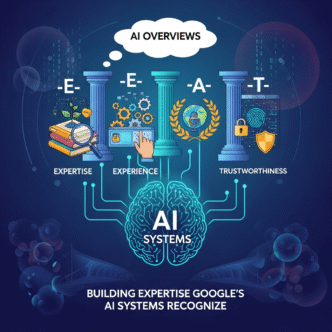
Yes. Most ChatGPT content selection best practices align with Google’s E-E-A-T guidelines. Focus on expertise, authority, comprehensive coverage, and quality writing. These improvements benefit both traditional SEO and AI citations simultaneously.
How often does ChatGPT update which sources it can cite?
ChatGPT’s training data updates occur with major model releases (typically every few months). Real-time search integration accesses current web content continuously. Maintain fresh content to ensure availability through both pathways.
Do social signals influence ChatGPT’s citation algorithm?
Social engagement has minimal direct impact on ChatGPT source selection. However, viral content often gets cited more because widespread sharing signals value and relevance. Strong social presence can indirectly improve citation chances by boosting content visibility and perceived authority.
What content length works best for ChatGPT citations?
Comprehensive content (2,000+ words) significantly outperforms short articles in ChatGPT’s citation algorithm. However, length alone doesn’t guarantee citations — depth, expertise, and unique insights matter more than word count. Aim for thorough topic coverage regardless of specific length.
Final Thoughts: Mastering ChatGPT Source Selection
Understanding ChatGPT source selection isn’t about gaming algorithms — it’s about creating genuinely valuable, authoritative content that deserves citation.
The uncomfortable reality? Most content doesn’t meet the quality bar for AI citations. Generic, shallow, keyword-stuffed articles that worked for old-school SEO fail spectacularly in this new paradigm.
But that’s actually good news. It means less competition at the top. While your competitors chase yesterday’s tactics, you can build tomorrow’s authority by focusing on depth, expertise, and genuine value.
Start by auditing your best content through an AI lens. Ask honestly: “Does this deserve to be cited as an authoritative source?” If the answer isn’t an emphatic yes, you know what to do.
ChatGPT’s citation algorithm rewards the same qualities humans value: expertise, thoroughness, clarity, and trustworthiness. Optimize for those principles, and citations follow naturally.
The future of digital visibility runs through AI platforms. Understanding how ChatGPT chooses sources positions you to thrive in that future rather than scramble to adapt when everyone else finally catches on.
Build authority today. Citations tomorrow. Sustained competitive advantage forever.